

Search Engine Optimization (SEO) is one of the most important skills for anyone who wants their website to succeed online. If you are just starting out, it can feel overwhelming. There are technical terms, complex strategies, and countless blogs claiming to have “quick fixes.” The truth is, beginners need a solid foundation to see real results. In this guide, we cover seven powerful SEO tips that beginners desperately need to implement to improve their rankings, drive targeted traffic, and grow their online presence.
Understand Search Intent Before Choosing Keywords
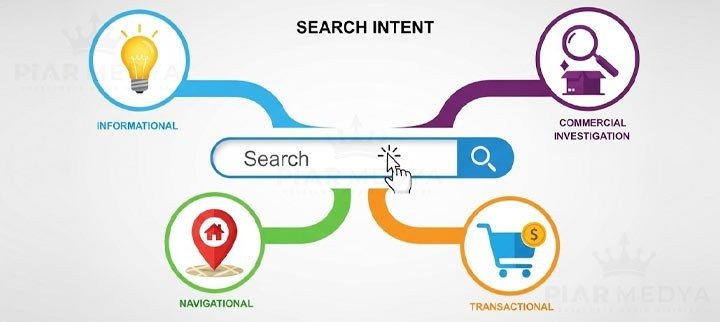
Understand Search Intent Before Choosing Keywords Many beginners make the mistake of choosing keywords based solely on search volume. While it’s tempting to target popular phrases, this approach often leads to traffic that doesn’t convert. The first step in SEO is understanding search intent – what the user is actually looking for when they type a query into Google.
Search intent generally falls into three categories:
Informational: The user wants to learn something. For example, “what is SEO.”
Navigational: The user wants to visit a specific website. For example, “Facebook login.”
Transactional: The user wants to buy or take action. For example, “buy wireless headphones online.”
When you create content that matches the intent of your target audience, you increase the likelihood of engagement, clicks, and conversions. Before you even start writing, ask yourself: What is the user expecting to see? How can my page provide exactly that?
Actionable Step: List 10 keywords for your niche and categorize them by intent. Focus on transactional and informational keywords first, as they are easiest to convert and rank for in the early stages.
Conduct Proper Keyword Research

Keyword research is the foundation of every successful SEO strategy. Beginners often either skip this step or rely on guesses. Using the right keywords ensures your content attracts the right audience.
Tips for beginners:
Use free tools like Google Keyword Planner, Ubersuggest, or AnswerThePublic to find keyword ideas.
Focus on long-tail keywords – these are 3-5 word phrases with lower competition but higher intent. For example, instead of targeting “shoes,” target “best running shoes for beginners.”
Check keyword difficulty. Start with low to medium difficulty keywords to rank faster.
Identify related keywords and LSI keywords to include naturally in your content
Keyword research is not just about traffic; it’s about attracting visitors who are more likely to engage, share, or buy.
Actionable Step: Create a spreadsheet with 20-30 relevant keywords for your niche. Include search volume, difficulty, and search intent. Use these keywords to guide your content creation.
Write Content for People, Not Just Search Engines
One of the biggest mistakes beginners make is writing content purely for Google. Keyword stuffing, repetitive phrases, and unnatural sentences are not effective anymore. Search engines prioritize user experience.
Content should:
Be clear and easy to read
Answer real questions
Solve a problem or provide value
Include your keywords naturally without forcing them
Actionable Step: Use headings, short paragraphs, and bullet points to make your content readable. Always ask yourself: “Would a real person find this useful?”
Optimize On-Page SEO
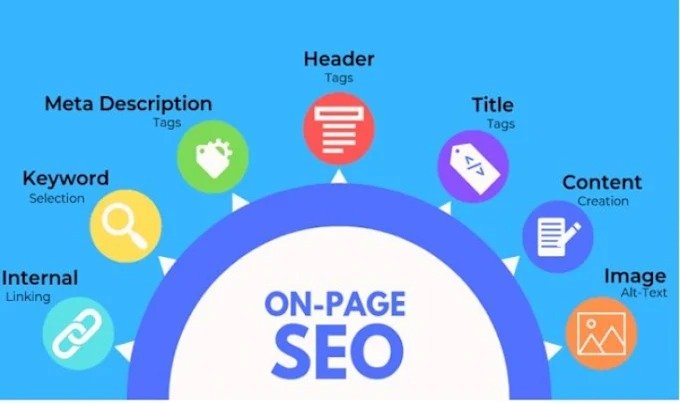
On-page SEO ensures that your content is structured in a way that both users and search engines can understand. Beginners often overlook these small but critical details.
Key on-page elements:
Title Tags: Include your main keyword and make it compelling. Example: “How to Start a Blog in 2026: Step by Step Guide”
Meta Descriptions: Write a short summary that encourages clicks. Example: “Learn how to start a blog in 2026 with this beginner-friendly guide. Step by step instructions included.”
Headings (H1, H2, H3): Use headings to organize content. Include keywords naturally.
URL Structure: Keep URLs short, readable, and keyword-rich. Example: yoursite.com/start-blog-guide
Internal Linking: Link to other relevant pages on your website to improve user navigation and SEO.
Images & Alt Text: Optimize images with descriptive filenames and alt tags. This helps with SEO and accessibility.
Actionable Step: Audit one existing page on your website and apply these on-page optimizations. Track its ranking over the next month.
Fix Technical SEO Basics

Technical SEO ensures search engines can crawl, index, and rank your site efficiently. Beginners often ignore technical issues, which can hurt rankings despite great content.
Key technical elements:
Website Speed: Use tools like PageSpeed Insights to check load times. Slow websites lose traffic and rank lower.
Mobile-Friendliness: More than half of global traffic comes from mobile devices. Make sure your site is responsive.
Broken Links: Check for broken links and fix or remove them.
Sitemap & Robots.txt: Submit your sitemap to Google Search Console and ensure your robots.txt file doesn’t block important pages.
HTTPS: Secure your website with SSL. Google favors HTTPS websites.
Actionable Step: Run a technical SEO audit using free tools like Google Search Console or Screaming Frog SEO Spider and fix at least 5 critical issues immediately.
Build Quality Backlinks
Backlinks are one of the most important ranking factors. They signal to Google that other websites trust your content. Beginners often think any link will help, but quality beats quantity.
Tips for beginners:
Focus on relevant, authoritative websites in your niche.
Create high-quality content that others naturally want to link to.
Guest post on reputable blogs in your industry.
Avoid spammy link schemes; they can hurt your rankings.
Use tools like Ahrefs or Moz to track backlinks and identify opportunities.
Actionable Step: Reach out to 5 relevant websites in your niche and offer a guest post, resource, or collaboration to earn a backlink.
Track, Measure, and Improve Continuously
SEO is not a one-time task. Search algorithms, user behavior, and competition change constantly. Beginners often stop after publishing content, but continuous improvement is key.
What to track:
Organic traffic via Google Analytics
SEO is not a one-time task. Search algorithms, user behavior, and competition change constantly. Beginners often stop after publishing content, but continuous improvement is key.
What to track:
Organic traffic via Google Analytics
Keyword rankings via Ahrefs or Ubersuggest
Click-through rates and engagement on each page
Bounce rate and average time on site
Conversion metrics like leads or sales
Use this data to refine your strategy. Update content regularly, add new keywords, improve internal linking, and fix technical issues as they appear.
Actionable Step: Set up a monthly SEO report to monitor traffic, rankings, and conversions. Adjust your strategy based on the data.
Conclusion
Beginners who follow these seven SEO tips – understanding search intent, proper keyword research, writing for people, on-page optimization, technical SEO, quality backlinks, and continuous tracking – will build a strong foundation for long-term growth. SEO is not about shortcuts; it’s about consistent effort, valuable content, and smart strategy.
Start small, track your progress, and focus on delivering real value to your audience. Over time, these foundational practices will lead to higher search rankings, targeted traffic, and sustainable business growth.