

Search engine optimization is no longer a side task. It is a major growth driver for businesses that want steady traffic, qualified leads, and long term online visibility. But strong results do not happen by chance. They require planning, execution, and consistent monitoring. That is where an SEO manager plays a critical role.
An SEO manager is responsible for building and managing a complete SEO strategy that aligns with business goals. From keyword research to technical SEO audits, every action is focused on improving search rankings and generating measurable growth. Below is a detailed breakdown of SEO manager duties and how they directly impact business success.
What Is an SEO Manager & Why Does Your Business Need One?

An SEO manager is responsible for planning, executing, and supervising all search engine optimization activities within a business. The main goal is simple: increase organic traffic, improve keyword rankings, and drive quality leads.
Unlike basic optimization efforts, SEO management focuses on long term strategy. It includes website structure, content direction, backlink planning, data analysis, and performance reporting. Without proper SEO management, businesses often waste time targeting the wrong keywords or overlooking technical issues that limit rankings.
A skilled SEO manager brings clarity, direction, and measurable progress.
SEO Manager vs SEO Specialist Key Difference
SEO specialist usually handles hands on tasks such as on page SEO, link building, and keyword research.
SEO manager, on the other hand, oversees the complete SEO strategy. This includes planning campaigns, coordinating teams, setting targets, analyzing performance, and ensuring all SEO activities align with business growth goals.
In simple terms, a specialist executes tasks. A manager builds and controls the strategy.
Keyword Research & Strategy Planning

Keyword research is the foundation of search engine optimization. An SEO manager does not just pick high volume keywords. Instead, they analyze search intent, competition level, and conversion potential.
The process involves identifying primary keywords, long tail keywords, and related search terms. These keywords are grouped into topic clusters and mapped to specific pages.
Strong keyword strategy ensures that every piece of content targets real search demand. It also reduces wasted effort on terms that are too competitive or irrelevant to business goals.
On Page SEO Optimization & Content Strategy

On page SEO involves optimizing individual pages to rank higher in search engines. An SEO manager ensures that title tags, meta descriptions, headings, internal links, and URLs follow best practices.
Content planning is also part of this duty. A manager decides what topics need to be covered, how deep the content should go, and how it connects to the overall SEO plan.
Instead of random blog posts, the focus is on structured content strategy. This improves topical authority and increases the chances of ranking for multiple related keywords.
Technical SEO Audits & Website Health Monitoring
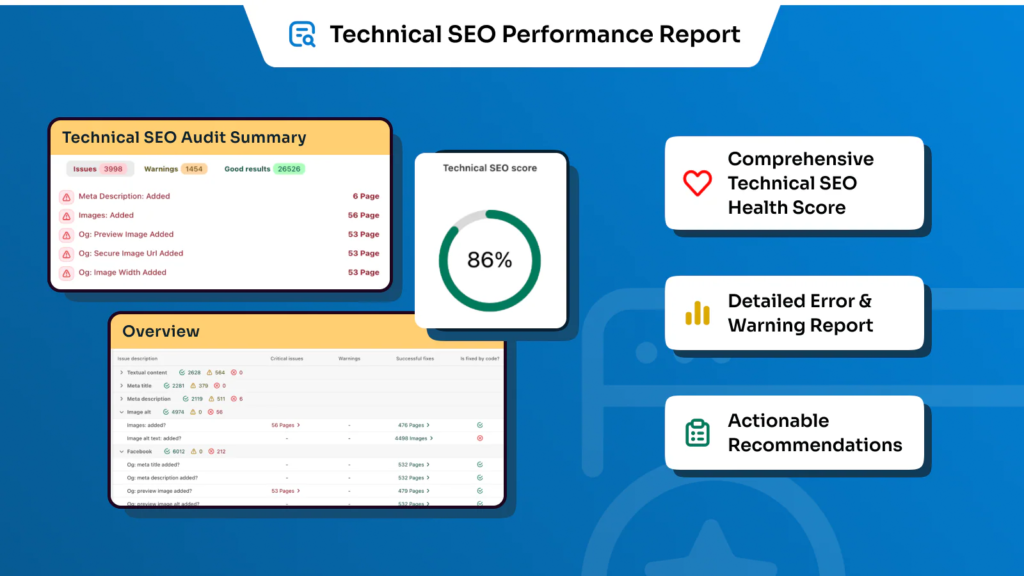
Technical SEO is often overlooked, yet it strongly impacts rankings. An SEO manager regularly runs technical audits to identify problems such as broken links, crawl errors, duplicate content, slow loading pages, and indexing issues.
They ensure proper sitemap submission, mobile optimization, and secure website configuration.
By monitoring website health, an SEO manager prevents ranking drops and maintains strong search engine visibility.
Link Building & Off Page SEO Management
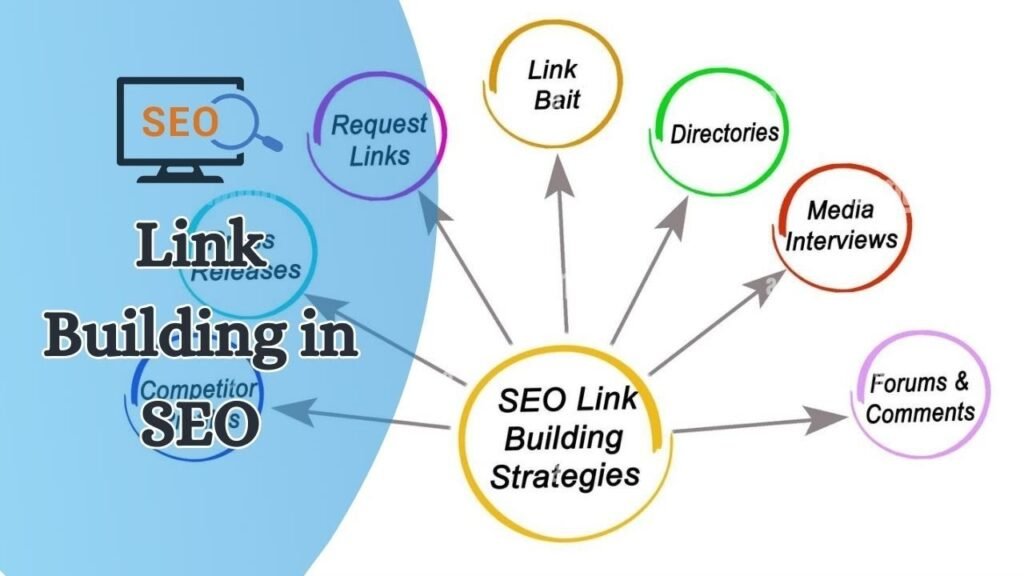
Backlinks remain one of the strongest ranking signals. An SEO manager creates a link building strategy focused on acquiring high quality and relevant backlinks.
This involves guest posting, digital outreach, industry partnerships, and competitor backlink analysis.
Rather than chasing large numbers of links, the focus is on authority and relevance. Sustainable off page SEO increases domain trust and improves keyword rankings over time.
SEO Performance Tracking & Analytics Reporting
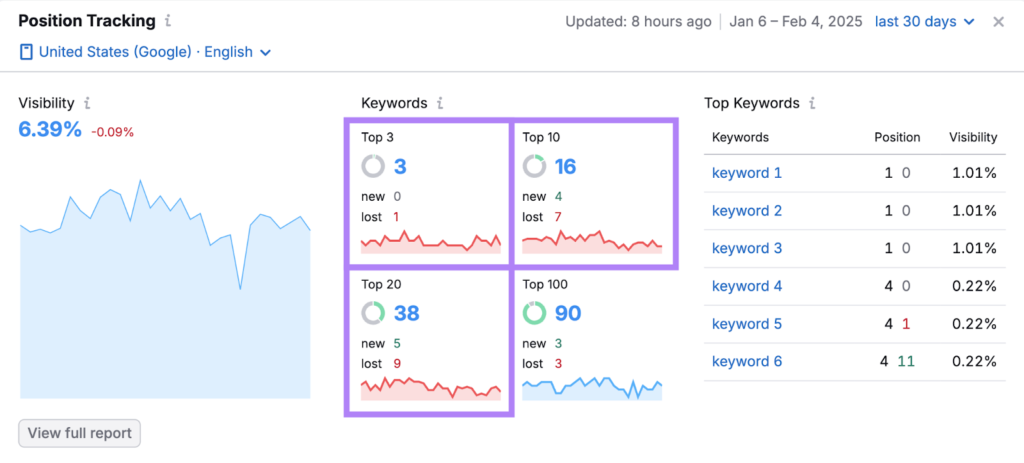
SEO without data tracking becomes guesswork. A manager regularly monitors organic traffic, click through rate, keyword positions, and conversion metrics using tools like analytics dashboards and search console data.
Performance reports highlight progress and identify weak areas. If certain pages underperform, strategy adjustments are made.
Data driven decisions ensure steady improvement instead of random experimentation.
Competitor Analysis & Market Research

Competitive research is essential in search engine optimization. An SEO manager studies top ranking competitors to understand why they rank higher.
This includes analyzing their keyword targets, backlink profile, content depth, and overall site structure.
Market research also identifies trends and demand shifts. Staying ahead of changes helps maintain strong visibility in search results.
Team Coordination & SEO Campaign Management
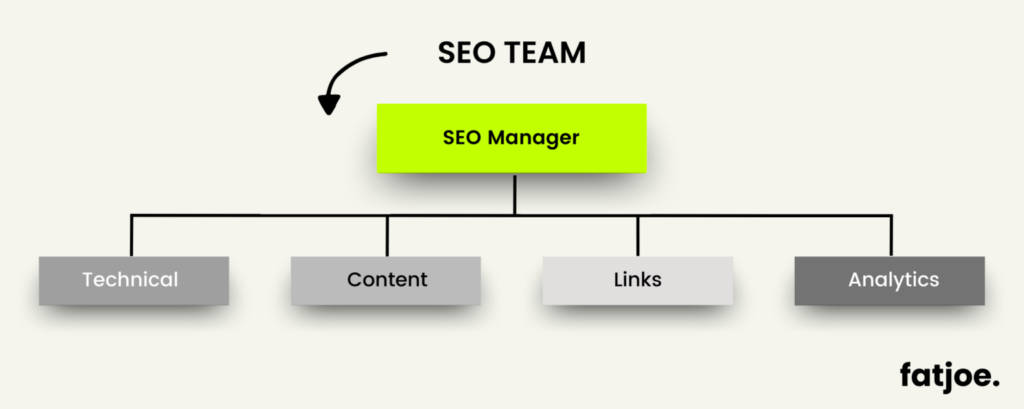
SEO often requires collaboration between content writers, web developers, designers, and marketing teams. An SEO manager coordinates these teams and ensures everyone follows the optimization strategy.
Campaign timelines, task assignments, and progress tracking fall under this responsibility.
Proper coordination improves efficiency and prevents delays that can slow down business growth.
How These SEO Manager Duties Directly Impact Business Growth

When SEO management is handled correctly, the results extend beyond rankings.
Higher keyword positions lead to increased organic traffic. Targeted traffic improves lead quality. Strong content builds authority. Technical stability ensures consistent performance. Effective backlink strategy enhances domain reputation.
Over time, businesses experience lower customer acquisition costs compared to paid advertising.
Real Results You Can Expect
Businesses with strong SEO management often see:
Increased website traffic from targeted keywords
Better visibility for competitive search terms
Improved conversion rates due to optimized landing pages
Stronger online authority in their industry
Long term growth without heavy reliance on paid ads
SEO growth compounds over time. Consistent optimization builds momentum that continues delivering results months and even years later.
How to Hire the Right SEO Manager for Your Business
Hiring the right SEO manager requires careful evaluation. Not every marketer understands complete SEO management.
Start by reviewing their previous projects. Ask for case studies demonstrating improvements in search rankings, organic traffic, and leads.
Evaluate their understanding of technical SEO, content strategy, and data analysis. They should be comfortable explaining strategies in simple terms.
Good communication skills are equally important. SEO managers must collaborate with multiple teams and report results clearly.
Key Skills to Look for in an SEO Manager
Strong keyword research ability
Deep understanding of on page and technical SEO
Experience in link building and outreach
Analytical mindset with focus on data
Clear communication and project management skills
These skills ensure effective SEO campaign execution.