
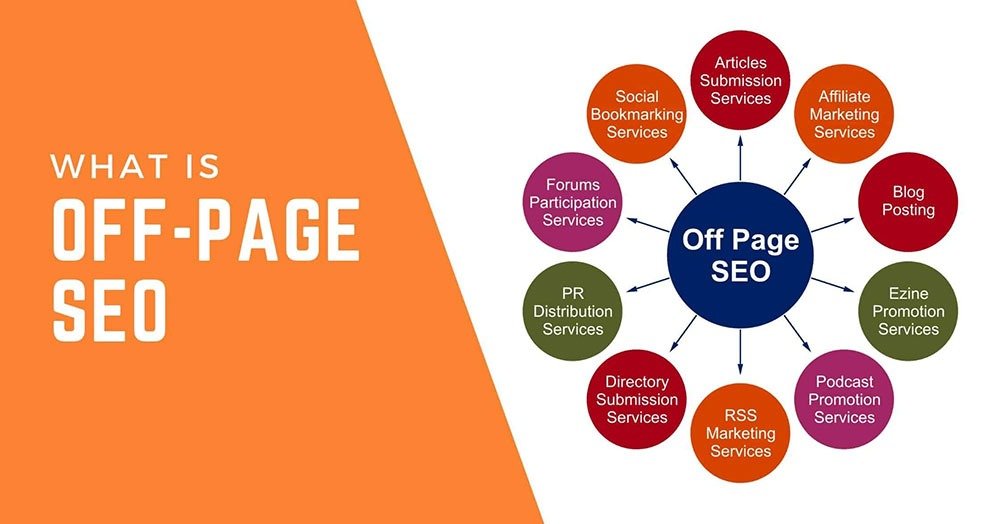
Off page SEO is often reduced to one word: backlinks. But real off page SEO is much deeper than simply building links. It is about authority, trust, reputation, and signals that search engines use to measure how valuable your brand is beyond your website.
Most experts talk about the basics. Very few explain what truly moves rankings today. Below are nine off page SEO secrets that experienced professionals quietly use to build long term search visibility.
Relevance Matters More Than Authority
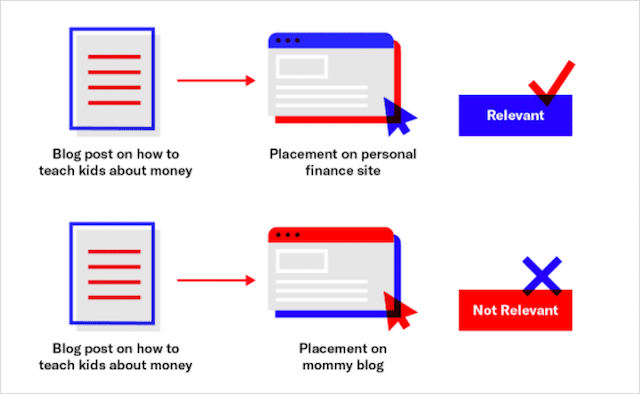
Many people chase high authority websites for backlinks. Authority is important, but relevance is often more powerful. A link from a smaller but highly relevant website in your niche can outperform a high authority random blog.
Search engines evaluate topical connection. If you run a digital marketing agency, a backlink from a marketing blog is far more valuable than one from an unrelated general news site.
Focus on contextual links within relevant content, not just domain metrics.
Brand Mentions Influence Rankings
Even when your website is not linked directly, brand mentions still matter. When your business name appears across blogs, forums, or news websites, search engines recognize brand popularity and trust.
Encourage discussions about your brand. Appear in interviews. Get listed in industry roundups. Reputation signals strengthen off page SEO naturally.
Anchor Text Strategy Must Look Natural
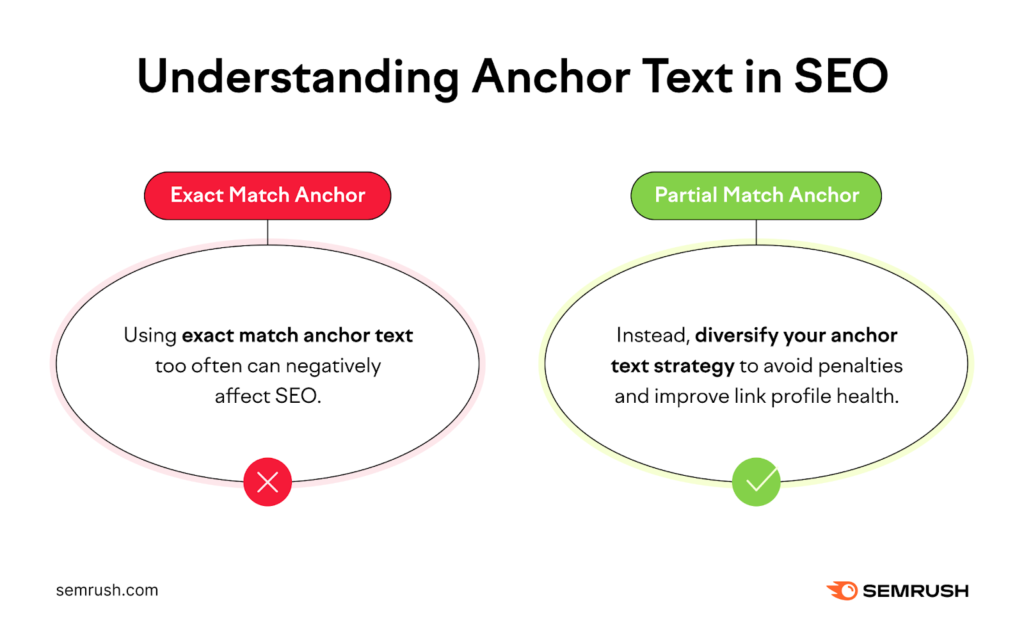
Over optimized anchor text can damage rankings. If every backlink uses the exact same keyword, search engines see manipulation.
Use a natural anchor profile:
Branded anchors
Generic terms
Partial keyword phrases
Naked URLs
Diversity protects your rankings and builds long term credibility.
Guest Posting Is Still Effective When Done Strategically

Guest posting is often misunderstood. Mass guest posting for backlinks is risky. Strategic guest posting on respected, niche specific platforms works extremely well.
Focus on quality publications. Provide genuine value. Write in depth content. A strong guest article can bring referral traffic, authority, and long lasting SEO impact.
Link Placement Is Critical
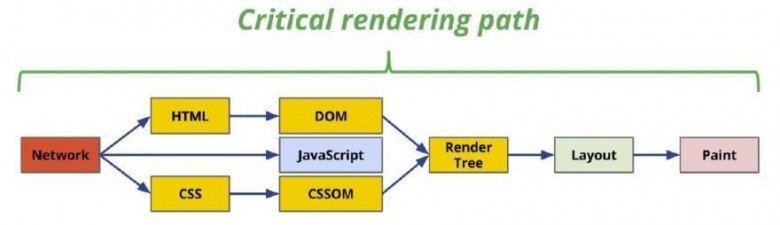
Not all backlinks hold equal weight. A link placed naturally within the main body of high quality content is significantly stronger than one placed in footers or author bios.
Editorial links carry the most value. They signal trust and genuine recommendation.
When securing backlinks, prioritize contextual placement inside meaningful content.
Content Assets Attract Links Automatically
Experts build content designed to earn backlinks. Instead of manually chasing links, they create resources that others want to reference.
Examples include:
Original research
Industry statistics
In depth guides
Case studies
Data driven reports
These content assets generate organic backlinks over time, reducing the need for constant outreach.
Digital PR Builds Strong Authority

Traditional link building is evolving into digital PR. Getting featured in online publications, news outlets, and industry blogs builds powerful backlinks and brand authority.
HARO platforms, journalist outreach, and expert commentary opportunities can place your brand in major media publications. These high quality mentions significantly strengthen off page SEO.
Social Signals Indirectly Support SEO
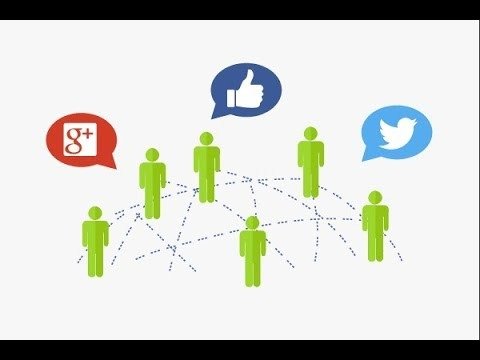
Social media links are typically no follow, but they amplify content reach. When content is widely shared, it increases visibility and the chances of earning backlinks.
A post that performs well on social platforms can attract bloggers, journalists, and site owners who later link to it.
Engagement creates opportunity.
Competitor Backlink Analysis Reveals Hidden Opportunities
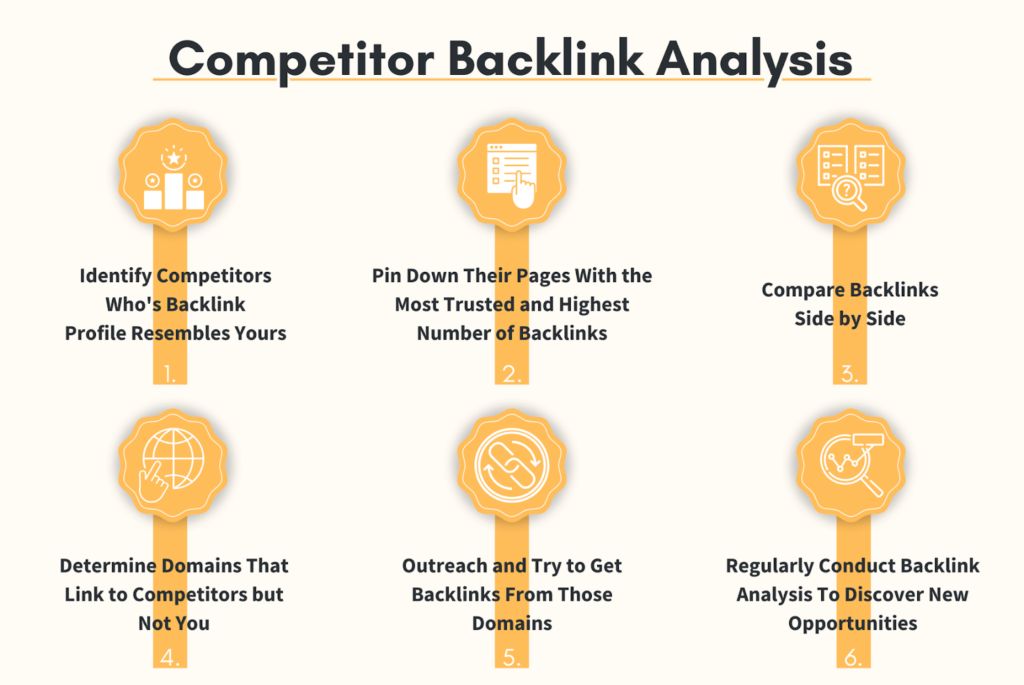
One of the most effective off page SEO secrets is studying competitors. Instead of guessing where to build links, analyze where top ranking competitors get theirs.
Use SEO tools to identify:
Referring domains
Top linked pages
Anchor patterns
Content that attracts backlinks
Then replicate what works, but improve it. If competitors earn links from guest posts, directories, or resource pages, you can approach those same sources strategically.
Conclusion:
Off page SEO is no longer about building as many links as possible. It is about building authority, trust, and brand recognition across the web.
Relevance, natural anchor text, editorial placement, digital PR, valuable content assets, and competitor analysis are the foundations of modern off page optimization.
When these strategies are applied consistently and ethically, search rankings improve steadily and sustainably. The goal is not short term spikes, but long term dominance in search results.