

Search engine optimization is no longer optional for small businesses. Whether you run a local service, ecommerce store, or startup, customers are searching online before making decisions. If your website does not appear in search results, you are losing potential leads daily.
The good news is this. Small businesses do not need massive budgets to compete. With the right SEO strategy and consistent effort, you can rank higher, attract targeted traffic, and grow steadily. Below are eight brilliant SEO tips every small business must use to build long term online visibility.
Focus on Local SEO First
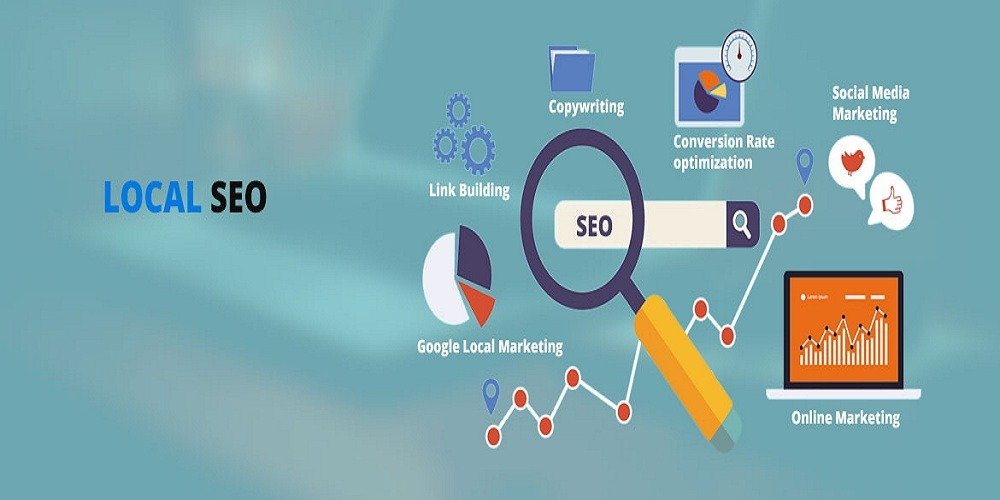
For most small businesses, local SEO is the fastest way to see results. When people search for services near them, Google shows local listings before organic results.
Start by optimizing your Google Business Profile. Make sure your business name, address, and phone number are correct and consistent everywhere online. Add service descriptions with relevant local keywords. Upload real photos. Encourage satisfied customers to leave reviews.
Local SEO helps you rank for searches like best plumber in London or bakery near me. These searches usually have strong buying intent.
Target Long Tail Keywords
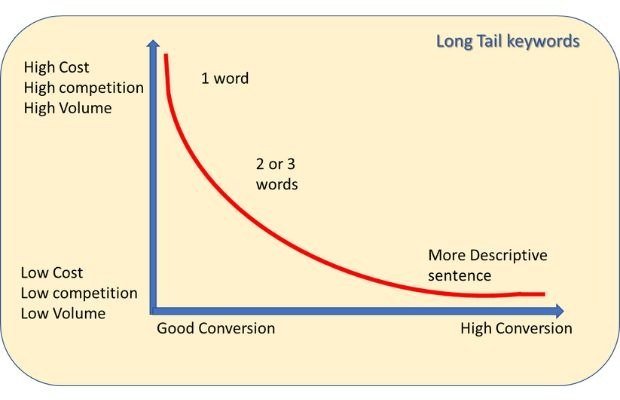
Many small businesses try to rank for broad keywords like digital marketing or lawyer. These are highly competitive and difficult to rank for.
Instead, focus on long tail keywords. These are more specific phrases such as affordable SEO services for small businesses or family lawyer in Manchester. They have lower competition and higher conversion potential.
Use keyword research tools to find search terms your customers actually use. Build service pages around these terms.
Optimize Service Pages Properly
Your service pages should clearly explain what you offer and who it is for. Each page should target one main keyword and include related keywords naturally within the content.
Include the main keyword in the title tag, headings, URL, and meta description. Do not repeat it unnaturally. Write in a clear, helpful tone that answers common customer questions
Well optimized service pages increase both rankings and conversions.
Improve Website Speed and Mobile Experience

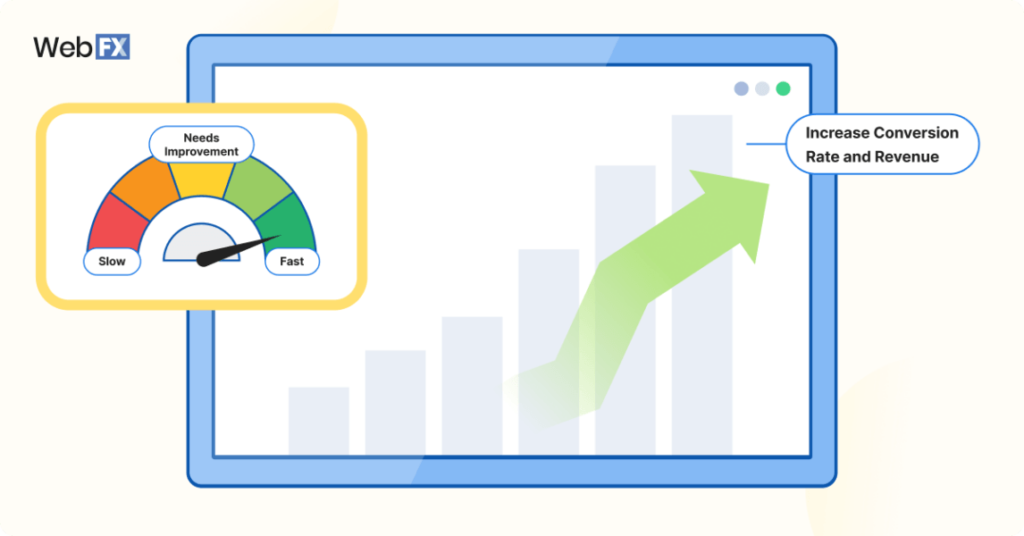
Website performance directly impacts SEO rankings and user behavior. If your website loads slowly, visitors leave quickly. Google tracks this behavior.
Test your website speed using tools like PageSpeed Insights. Compress images, reduce unnecessary plugins, and choose a reliable hosting provider.
Also ensure your site is fully responsive. Most users now browse from mobile devices. A smooth mobile experience improves engagement and helps your rankings.
Create Helpful Blog Content

Content marketing supports SEO in a powerful way. Write blog posts that answer questions your potential customers are searching for.
For example, if you run a landscaping business, create content like how to maintain a garden in summer or signs your lawn needs professional care.
Blog posts help you rank for informational keywords, build authority, and guide readers toward your services.
Consistency matters more than volume. Publish quality content regularly.
Build Quality Backlinks
Backlinks remain a strong ranking factor. When reputable websites link to your content, search engines view your site as trustworthy.
Small businesses can earn backlinks by writing guest posts, collaborating with local partners, listing in relevant directories, and creating valuable resources.
Avoid buying links or using spammy tactics. Focus on relevance and quality rather than quantity.
Use Clear Internal Linking
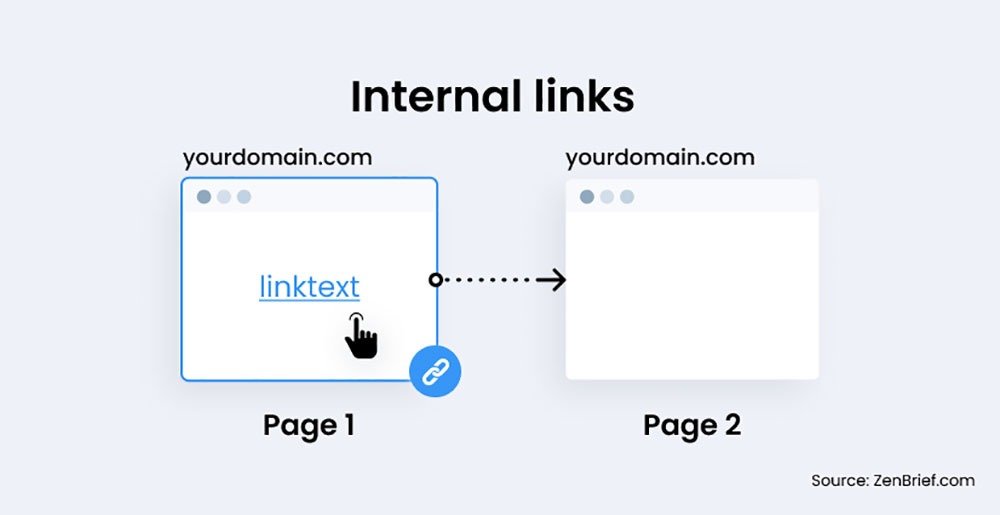
Internal linking improves navigation and helps search engines understand your website structure.
Link blog posts to related service pages. Connect similar services together. Use descriptive anchor text instead of generic phrases like click here.
Good internal linking keeps visitors on your website longer and supports higher rankings.
Track and Adjust Your SEO Strategy
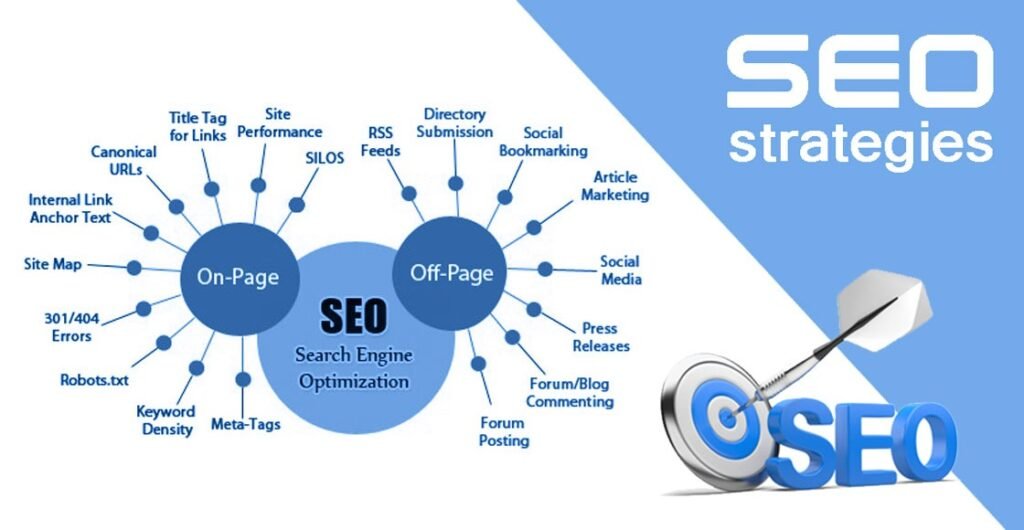
SEO is not a one time task. You must monitor performance and improve regularly.
Use Google Analytics to track traffic and user behavior. Use Google Search Console to monitor keyword performance and indexing issues.
Identify which pages bring the most traffic and optimize them further. Update old content with new information and additional keywords.
Data driven decisions help small businesses grow faster without wasting resources.
Conclusion
SEO gives small businesses the chance to compete with larger brands without needing huge advertising budgets. By focusing on local SEO, long tail keywords, optimized service pages, website performance, helpful content, quality backlinks, internal linking, and ongoing tracking, you create a strong foundation for steady organic growth.
The key is consistency. Small improvements made regularly lead to long term results in search rankings, traffic, and leads.