
Introduction:
Social media is no longer just a place to share photos and videos. Today, businesses use social media to attract customers, build trust, and increase sales. Because of these changes, the demand for skilled social media managers continues to grow in 2026.
Many people want to know how to become a social media manager because it offers flexible work, remote job opportunities, and excellent earning potential. Whether you want to work for a company or become a freelancer, this career can lead to many opportunities.
This guide explains everything you need to know in simple language and follows the latest SEO, AEO, GEO, EEAT, and AI search best practices.
What Is a Social Media Manager?
A social media manager is a person who plans, creates, publishes, and manages content on social media platforms.
Their main goal is to help businesses grow their online presence and connect with their audience.
Common Responsibilities:
| Task | Purpose |
|---|
| Creating content | Attract followers |
| Scheduling posts | Maintain consistency |
| Replying to comments | Build relationships |
| Analyzing results | Improve performance |
| Running ads | Increase reach and sales |
| Creating strategies | Achieve business goals |
Popular platforms include the following:
- TikTok
- X
- YouTube
Why Is This Important in 2026?
Social media continues to play a major role in digital marketing. Companies of all sizes need professionals who understand how to attract and engage online audiences.
Reasons Why This Career Is Growing:
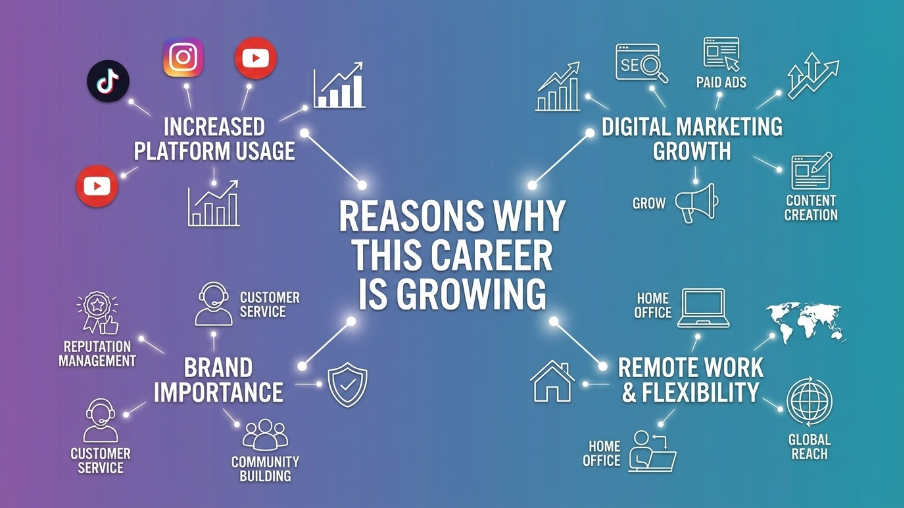
- More businesses are moving online.
- Brands need stronger customer engagement.
- Social commerce is increasing.
- Remote work opportunities continue to expand
Many small businesses cannot hire large marketing teams, so they often look for skilled social media managers who can handle multiple tasks.
What Changed in Google’s Latest Update?
Google’s recent updates have changed how content is discovered and ranked online.
AI Overviews:
Google now provides AI-generated summaries at the top of many search results.
This means content must answer questions clearly and directly.
Helpful Content System:
Google rewards content that genuinely helps people.
Content should:
- Solve problems
- Answer question
Helpful Content System:
Google rewards content that genuinely helps people.
Content should:
- Solve problems
- Answer questions
- Share useful information
- Provide real experience
Core Updates:
Google continues to focus on quality content and trustworthy information.
EEAT stands for:
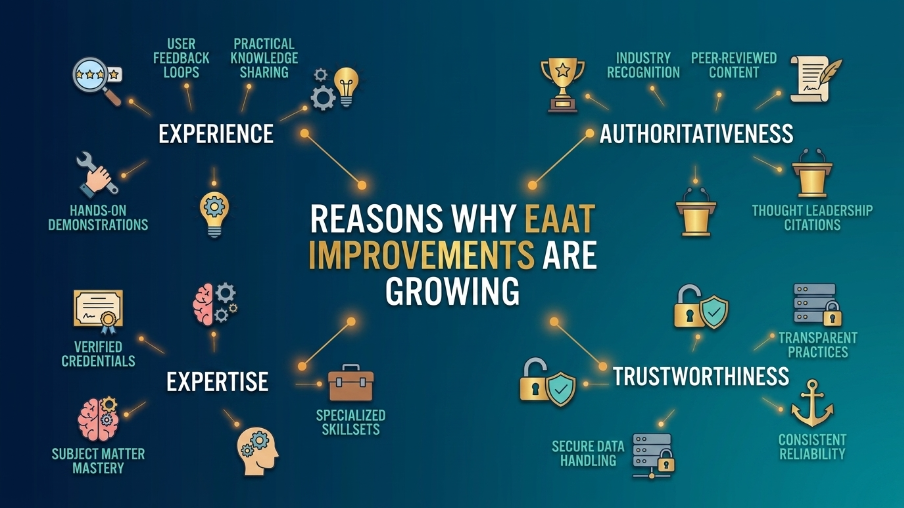
- Experience
- Expertise
- Authoritativeness
- Trustworthiness
For example, if you have managed social media accounts and achieved real results, your advice carries more value than someone who only shares theory.
Entity-Based Search:
Google now understands topics and entities better than ever.
Important entities related to social media management include:
- TikTok
- Meta
- Content Marketing
- Digital Marketing
AI Search Experience:
Search tools such as ChatGPT, Gemini, Copilot, and Perplexity prefer content that is:
- Well organized
- Easy to understand
- Factually correct
- Helpful and trustworthy
How Does This Update Affect Website Rankings?
Websites that provide useful and trustworthy information have a better chance of ranking well.
Important Ranking Factors in 2026:
| Ranking Factor | Importance |
| EEAT | Very High |
| Helpful Content | Very High |
| User Experience | High |
| Topical Authority | High |
| Entity SEO | High |
| Content Quality | High |
| Backlinks | Medium |
Websites that only focus on keywords without helping users may struggle to rank.
How to Become a Social Media Manager?
Follow these simple steps.
1. Learn Social Media Platforms
Understand how major platforms work.
Learn:
- Instagram Reels
- Facebook Pages
- LinkedIn Posts
- TikTok Videos
- YouTube Shorts
Each platform has a different audience and content style.
2: Learn Content Creation
Practice creating:
- Images
- Videos
- Captions
- Stories
- Short-form content
Good content is the foundation of social media success.
3: Understand Analytics
Learn how to measure performance using:
- Meta Business Suite
- Google Analytics
- LinkedIn Analytics
Track:
- Reach
- Engagement
- Clicks
- Conversions
4: Build Your Own Social Media Pages
One of the best ways to learn is by managing your own accounts.
Use your profile as a portfolio to show potential clients or employers.
5: Take Online Courses
Popular certifications include:
- Google Digital Marketing Certification
- Meta Blueprint Certification
- HubSpot Social Media Certification
These courses help build credibility.
6: Create a Portfolio
Show examples of:
- Content designs
- Growth results
- Campaign strategies
- Engagement improvements
A strong portfolio often matters more than a degree.
7: Get Practical Experience
You can gain experience by:
- Helping local businesses
- Managing a friend’s business page
- Volunteering for organizations
- Running your own projects
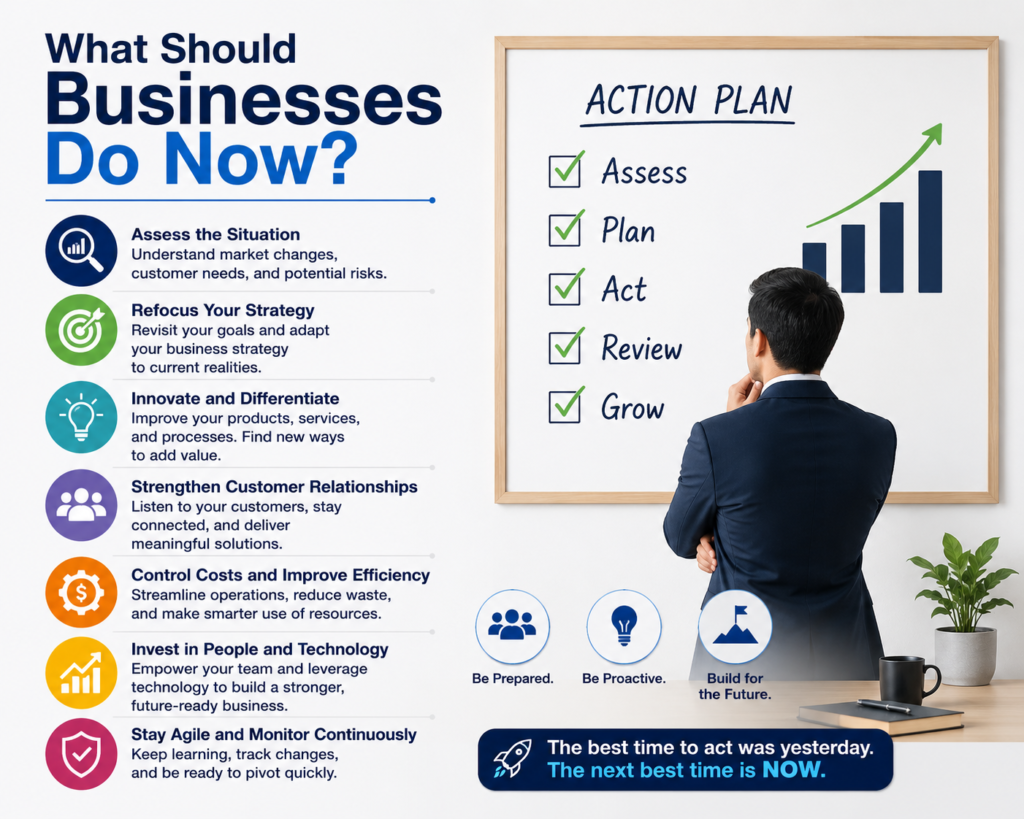
What Should Businesses Do Now?
Checklist
Content Checklist
✔ Answer user questions
✔ Create valuable content
✔ Use short and clear language
✔ Update content regularly
✔ Focus on audience needs
EEAT Checklist
✔ Show real experience
✔ Add author information
✔ Include case studies
✔ Share testimonials
✔ Demonstrate expertise
AEO and GEO Checklist
✔ Use question-based headings
✔ Create FAQ sections
✔ Write concise answers
✔ Structure content clearly
✔ Build topical authority
Checklist
❌ Buying fake followers
❌ Posting without a strategy
❌ Ignoring analytics
❌ Copying competitors
❌ Keyword stuffing
❌ Publishing low-quality content
❌ Inconsistent posting
❌ Ignoring audience comments
❌ Focusing only on follower count
❌ Not learning platform updates
Real-World Example:
Before
A beginner social media manager created random posts and rarely checked analytics.
Results:
- Low engagement
- Slow growth
- Few inquiries
After
The same person created a content strategy, posted consistently, used analytics, and improved content quality.
Results:
- Better engagement
- More followers
- Increased client inquiries
- Stronger online reputation
This shows how strategy and consistency can make a huge difference.
Expert Tips:
1: Focus on One Platform First
Master one platform before trying to manage several at once.
2: Learn Basic SEO
SEO knowledge helps improve visibility and traffic
3: Stay Updated
Social media trends change quickly.
4: Use AI as a Helper
Use AI tools for ideas and research, but always add your own experience
5: Improve Communication Skills
Clients value clear communication.
6: Build a Personal Brand
People trust professionals who showcase their own skills.
7: Learn Video Editing
Video content performs well on most platforms.
8: Study Successful Brands
Observe what works and apply similar strategies.
9: Track Every Campaign
Data helps you improve future results.
10: Keep Learning
The best social media managers never stop learning.
Frequently Asked Questions:
Q: Do I need a degree to become a social media manager?
A: No. Skills, experience, and a strong portfolio are usually more important
Q: How long does it take to become a social media manager?
A: Most people can learn the basics in three to six months with regular practice.
Q: Can I work from home as a social media manager?
A: Yes. Many social media managers work remotely for companies or clients.
Q: What skills are most important?
A: Content creation, communication, analytics, creativity, and strategy development.
Q: Is social media management a good career in 2026?
A: Yes. Demand continues to grow as more businesses invest in digital marketing.
Key Takeaways:
- Social media management is a growing career in 2026.
- Learning content creation and analytics is essential.
- Real experience helps build credibility
- EEAT improves trust and authority
- AEO and GEO help content appear in AI-powered search results
- lts. Building a portfolio is important for getting clients and jobs
- Consistent learning leads to long-term success.