
Introduction:
One of the first things any website owner needs to understand is an SEO strategy for a new website. A new website doesn’t get traffic because it looks good. Search engines take time to trust a site. That trust is built on smart planning, helpful content, and a transparent SEO process. A good start can be a huge plus for long-term growth.
Start With a Clear Website Goal:
Every new site needs an objective. Some websites are selling you things. Some want traffic. Others are focused on leads or brand awareness.” Without a goal, content becomes random and confusing.
Growing a focused website is easier. The subject is better understood by search engines. Visitors know what the site provides. That makes for a better experience straight out of the gate.
Choose the Right Keywords:
Growing a new website’s SEO strategy requires a lot of keyword research. Picking the wrong keywords is a waste of time and effort. New sites should not start by targeting highly competitive terms.
Often, long-tail keywords are the better choice. Lower competition, generally. More powerful search intent. A new site has a better chance to rank for specific searches than broad topics.
Understand Search Intent Before Writing:
People don’t realise how much search intent matters. Some users want to know. Some want to buy something. tips; others want a fast answer. Content should match the reason behind the search.
When people look for beginner SEO tips, they are looking for practical advice. They do not want extraneous details. Matching search intent can help improve rankings and user engagement.
Build a Fast and Mobile-Friendly Website:

Website speed affects rankings and user behaviour. Slow websites frustrate visitors. Many users leave before the page even loads.
A mobile-friendly design is equally important too. The majority of people now browse on phones. A clean layout, readable text and pages that load quickly make for a better browsing experience.
Create Helpful Content From Day One:
SEO is all about content. New sites should be about answering real questions with their content. Rarely do thin articles and copied ideas do well.
Good content is helpful and organic. It explains things well without sounding forced. If they find value in an article, visitors tend to stay longer and often come back later.
User-friendly titles: -friendly titles:
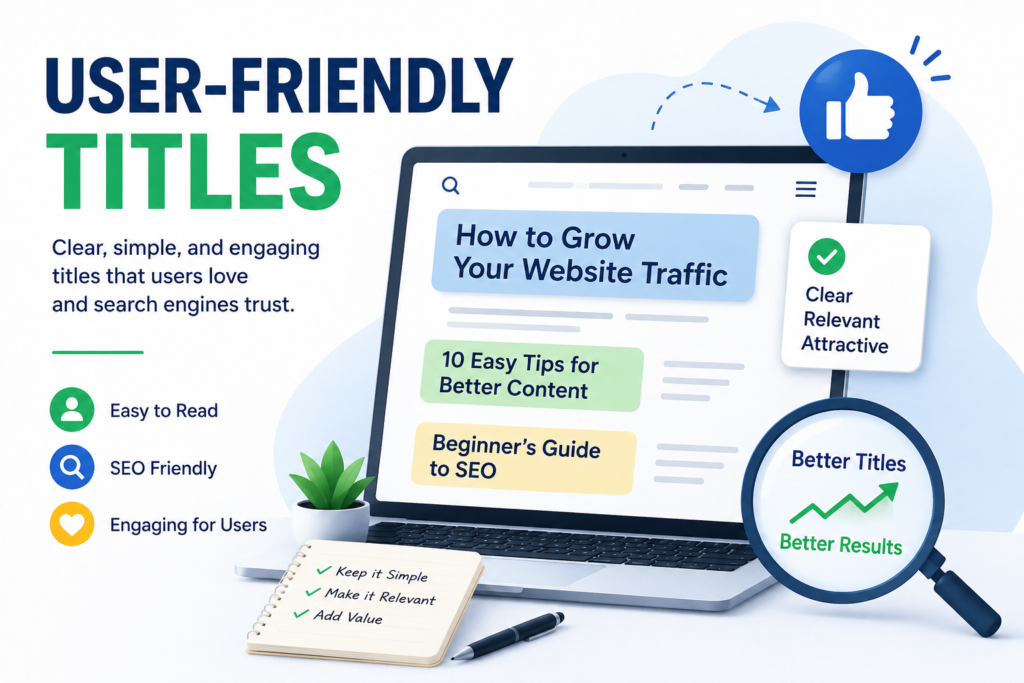
Titles are very important to get clicks. A good title will attract attention but will also be relevant to the topic. It should sound natural and be easy to understand.
The primary keyword needs to fit in the title naturally. Titles can be awkward due to forced wording. A clean, readable title generally performs better.
Write Strong Meta Descriptions:
Meta descriptions can be the difference between someone clicking your page or scrolling right past it. They do not do rankings or influence rankings, but they can make a real difference too through throughput rates. A clear and relevant description gives people an idea of what they’ll find on the page, fast.
Best meta descriptions are simple, short and easy to understand. They need to be natural to the content and not forced. It can also help keep the content relevant for search results if you include the main keyword in a smooth way.
Focus On-Page SEO:
Page SEO is about the way a web page is written and laid out. This includes things like headings, content flow, keyword placement, images and internal links. All of these help make a page clear and useful. These elements assist search engines in understanding the topic without making the content feel overloaded.
Good headings make reading easier from the start. Simple sections help break information into a clean format. If the page is easy to read and well organised, visitors will find what they are looking for quickly and remain engaged with the content.
Use Internal Linking Smartly:
Internal links connect one page to another page within the same website. They help visitors find related content. They also help search engines understand the site’s structure.
A blog post about keyword research could link to a blog post about content writing. These links form a stronger network of websites.
Build Authority Slowly:
A new website does not gain trust automatically. Building authority takes time, consistent effort and a clear focus on quality. Helpful content, reliable backlinks and positive user interaction can help to improve the reputation of a website gradually over time in search results.
Shortcuts may be tempting, but they can cause problems later on. In most cases, continuous work on SEO and ongoing improvement leads to better and longer-lasting results.
Backlinks are still a big part of SEO. Other sites linking to your content is a good indication that your page has something useful or worth reading. Links from relevant and trusted sites can help a website build a stronger reputation over time.
It’s usually not a good idea to chase a lot of links for new websites. A few strong and relevant backlinks can be worth so much more. Content that actually helps people is more likely to earn natural links, and those links are usually far more useful than spammy ones.
Publish Content Consistently:
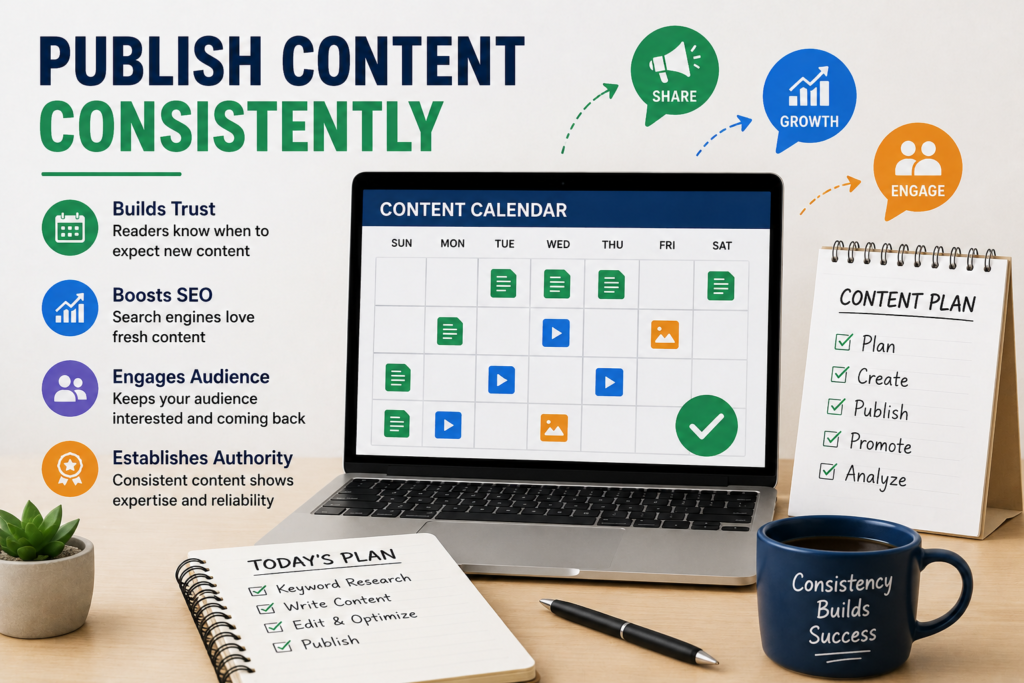
The most important factor in a successful SEO strategy for a new website is consistency. Posting once and then vanishing for months isn’t a strong approach.
It can help with a simple publishing routine. Updating your content regularly shows that your site is active and gives search engines new pages to find.
Improve User Experience:
The experience that users have influences the way they use a website. Confusing layouts and cluttered pages can drive visitors away.
The navigation is clean, the fonts are readable, the content is structured for easy reading – this all increases usability. People tend to stick around longer when they have a comfortable reading experience.
Use Images the Right Way:
Images are not just something to fill empty space on a page. They can make content easier to read and more engaging for visitors. At the same time, large image files can slow down a website – which is why proper optimisation matters.
Simple details such as clear image names and relevant alt text can also aid SEO. These may seem like minor changes, but they can improve both website performance and the overall user experience.
Track SEO Performance:
New site owners always want to rank instantly. Bad news: SEO isn’t an overnight success. Search engines need time to crawl, understand and index content. content. Here, patience pays. Hacks always lose to consistency. Build the right strategy and put the effort in, and the results will come. Would you like me to make it sound more professional for a blog, or more casual for social media?
Conclusion:
The stuff that actually works? Writing content people want to read. Picking keywords that fit, not forcing them in. Getting backlinks from sites that matter. And making sure your site is easy to use. Skip the shortcuts. They might give you a quick bump, but steady, consistent work is what brings real growth. You don’t have to do everything at once. Start with a clear plan. Focus on useful, well-organised content. Keep updating your site. Do that long enough and you’ll start ranking higher, reaching the right audience, and building a presence Google actually trusts. Want me to tone it down even more casually, like “talking to a friend” level?