
Social media has changed the way businesses connect with customers. However, many companies still treat it like a place to post random updates and hope something works. As a result, that approach rarely delivers consistent results.
Meanwhile, the businesses seeing strong growth today are following proven systems. They know who they want to reach, what content their audience responds to, and how to turn engagement into revenue. Because of these factors, understanding the Best Social Media Campaign Management Strategies in the USA has become essential for brands that want measurable results. In fact, companies that follow a structured approach are often able to generate stronger engagement, better leads, and more predictable growth over time.
If you manage marketing for a business or work with an agency, the strategies below can help you build campaigns that generate awareness, leads, and long-term customer relationships.
Start With Clear Campaign Goals
One of the most significant mistakes businesses make is launching campaigns without defining success first. As a result, marketing efforts often lack direction and produce inconsistent outcomes. A campaign designed to increase sales should look very different from one focused on brand awareness. Therefore, setting clear objectives from the beginning helps ensure every marketing decision supports a specific business goal.
• Increase website traffic from your target audience
• Generate qualified leads that are more likely to convert
• Drive online sales and revenue growth
• Expand brand visibility within your market
• Build stronger relationships with existing customers
Once your goal is clear, every decision becomes easier. Your content, audience targeting, budget, and reporting will all align with a specific outcome.
Know Exactly Who You Are Targeting
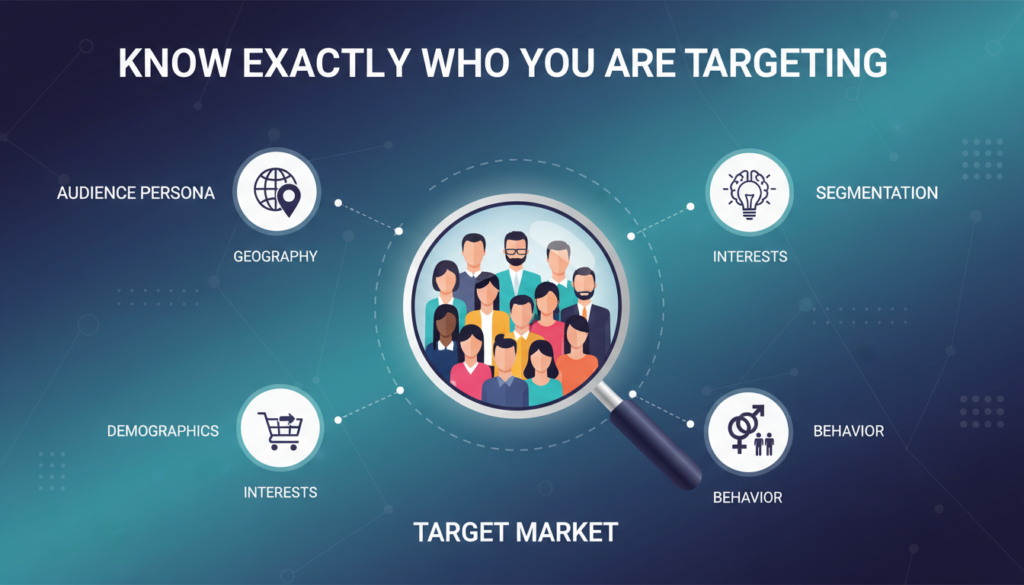
Many campaigns fail because they try to speak to everyone.
Instead, build detailed audience profiles. Look beyond basic demographics. Study customer behavior, interests, buying habits, and common challenges.
For example, a local law firm targeting business owners will need entirely different messaging than an e-commerce brand selling fitness products.
As a result, your content becomes more relevant, and your advertising budget works harder.
Choose the Right Social Platforms
Not every platform deserves equal attention.
A common mistake is spreading resources across every social network available. In reality, most businesses generate the majority of results from two or three channels.
Consider where your audience spends time:
• LinkedIn works well for B2B lead generation.
• Facebook remains effective for local businesses and community engagement.
• Instagram performs strongly for visual brands.
• TikTok can help reach younger audiences.
• X supports real-time conversations and brand visibility.
Focus your energy where your customers already exist.
Build a Content Calendar That Supports Business Goals
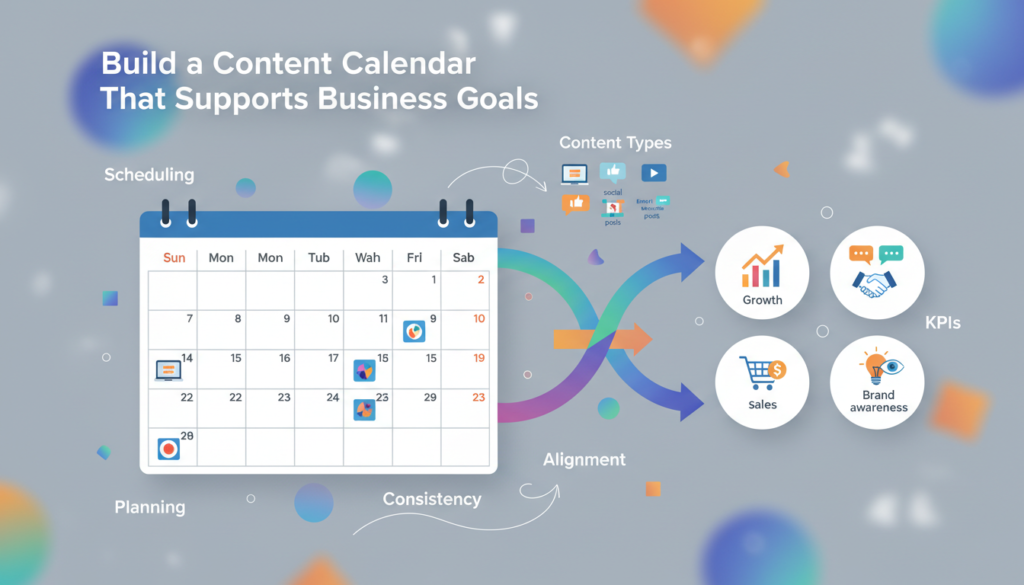
Consistency matters more than occasional bursts of activity.
A well-planned content calendar creates structure and prevents last-minute posting. More importantly, it ensures every piece of content supports your campaign objective.
A balanced calendar often includes the following:
• Educational content
• Customer success stories
• Industry insights
• Product or service highlights
• Interactive posts
This approach keeps your audience engaged while moving them through the customer journey.
Create Content That Solves Real Problems
People rarely follow brands because they want more advertisements in their feeds.
They follow businesses that provide useful information.
Think about the questions customers ask during sales calls. Those questions often become excellent social media content topics.
For example:
• Service pricing and budget expectations
• Realistic outcomes based on business goals
• Typical timelines for implementation and results
• Common mistakes that can slow progress
• Factors that influence overall campaign performance
Answering practical questions builds trust. Consequently, potential customers feel more comfortable reaching out when they are ready to buy.
Use Paid Advertising Strategically
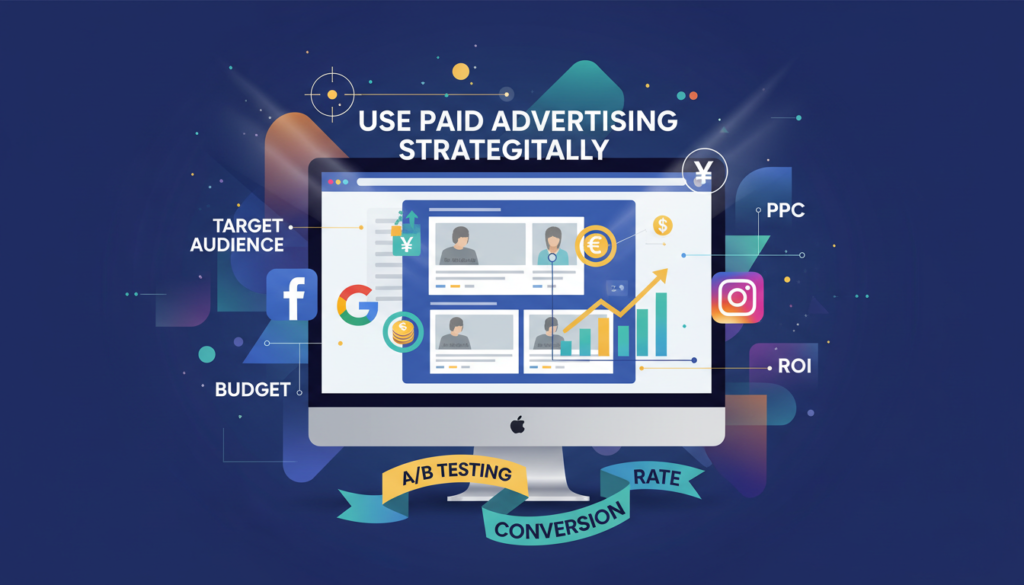
Paid advertising can help businesses reach the right audience faster, but success depends on strategy rather than budget size. While organic content remains important, paid campaigns provide greater control over targeting, visibility, and lead generation. As a result, businesses can connect with potential customers who are more likely to take action.
Instead of promoting every post, focus on campaigns that support specific goals such as lead generation, website traffic, or sales. In addition, refining audience targeting based on demographics, interests, and online behavior is essential. By testing different ad creatives and messaging, marketers can improve performance over time and maximize their return on investment.
Successful campaigns usually begin with:
• Audience testing
• Multiple ad variations
• Small-budget experiments
• Performance analysis
• Continuous optimization
Instead of launching one large campaign, test several smaller versions first. Then scale the winners.
Track Metrics That Actually Matter.
Many businesses spend too much time focusing on numbers that look impressive but do not contribute to actual business growth. While likes, shares, and follower counts can provide useful insights, they often do not give a complete picture. Instead, marketers should pay closer attention to performance indicators that directly impact revenue and lead generation.
As a result, marketers can more easily understand what is working and where they need to improve. For example, metrics such as conversion rates, cost per lead, website traffic, customer acquisition costs, and return on investment provide a much clearer picture of campaign performance.
In addition, these insights help businesses identify opportunities for improvement and eliminate ineffective strategies. By tracking the right data consistently, companies can make smarter decisions, allocate budgets more effectively, and ultimately achieve better results over time.
Pay closer attention to:
• Lead generation
• Conversion rates
• Cost per lead
• Website traffic
When these numbers improve, your campaign is creating real business value.
Strengthen Engagement With Fast Responses
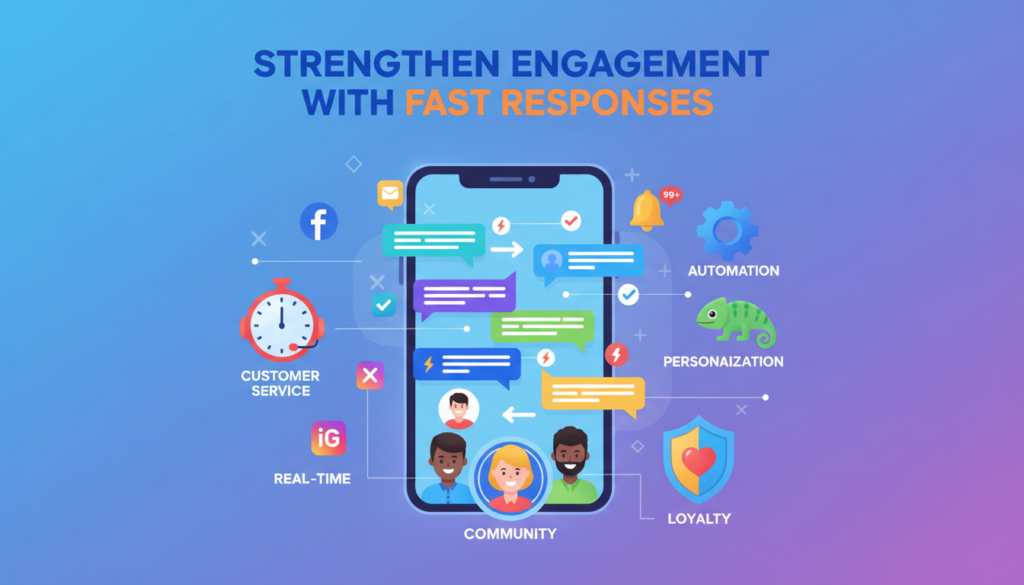
Social media is a conversation, not a billboard.
When someone comments on a post or sends a direct message, response time matters. Prospects often compare businesses before making decisions.
A timely response demonstrates professionalism and customer focus.
In addition, active engagement signals to platform algorithms that your content is generating meaningful interactions. This can help increase visibility organically.
Use Retargeting to Capture Missed Opportunities
Most people do not convert during their first interaction with a brand.
They visit a website, explore services, and leave.
Retargeting helps bring those visitors back.
A simple retargeting campaign can show ads to people who:
• Visited specific pages
• Viewed products
• Downloaded resources
• Watched videos
• Engaged with social content
Because these audiences already know your brand, conversion rates are often much higher than cold traffic campaigns.
Test, Improve, and Repeat
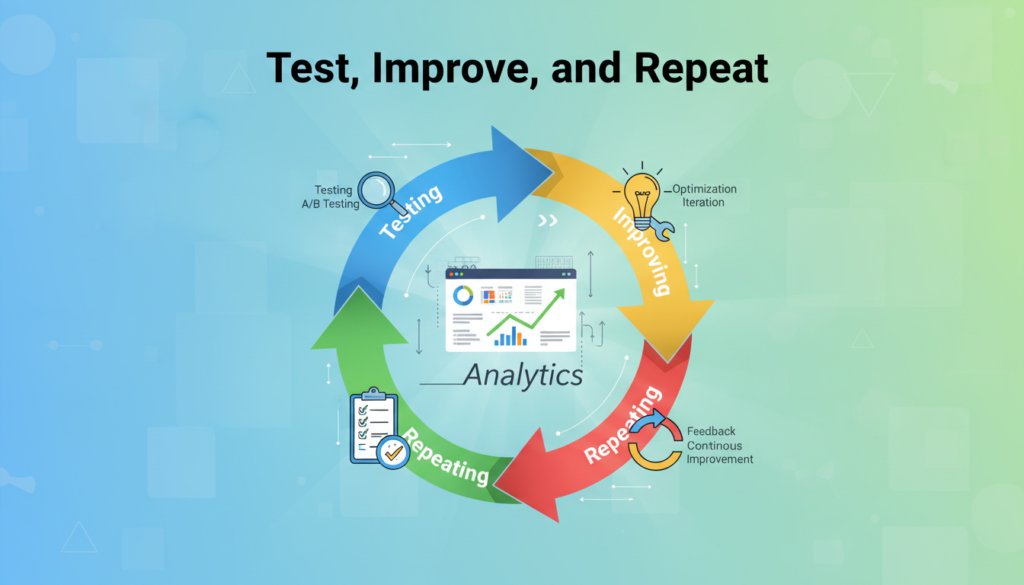
The strongest social media campaigns are rarely perfect on day one.
Experienced marketers test constantly.
They evaluate headlines, images, audience segments, call to action messaging, and content formats. Then they make adjustments based on performance data.
As a result, campaigns become more efficient over time.
Small improvements made consistently can produce significant gains over several months.
Partner With Experts When Growth Matters
Managing social media campaigns requires strategy, creative execution, audience research, reporting, and ongoing optimization.
Many business owners simply do not have the time to effectively manage every moving part.
Working with an experienced SEO Agency can provide access to specialists who understand how social media, search engine optimization, content marketing, and lead generation work together.
The most effective digital marketing strategies are integrated. Social media draws attention, content builds trust, and SEO captures high- intent traffic. Together, they create a stronger path to growth.
Final Thoughts
The Best Social Media Campaign Management Strategies in the USA are not based on trends or guesswork. They are built on clear goals, audience understanding, valuable content, smart advertising, and continuous optimization.
Businesses that follow these principles consistently outperform competitors that rely on random posting and short-term tactics.
If your goal is generating more qualified leads, increasing brand visibility, and building a stronger online presence, now is the time to evaluate your current social media strategy. A well-managed campaign can become one of the most valuable growth assets your business owns.