
Introduction
Social media continues to be one of the most powerful marketing channels in 2026. Businesses, creators, and brands use social platforms to build trust, attract customers, and increase sales.
However, social media success is no longer about posting randomly. Modern algorithms, AI-powered recommendations, and user behaviour now require a more strategic approach.
This guide explains how to use social media effectively while following Google’s latest SEO, AEO, GEO, Entity SEO, and EEAT guidelines.
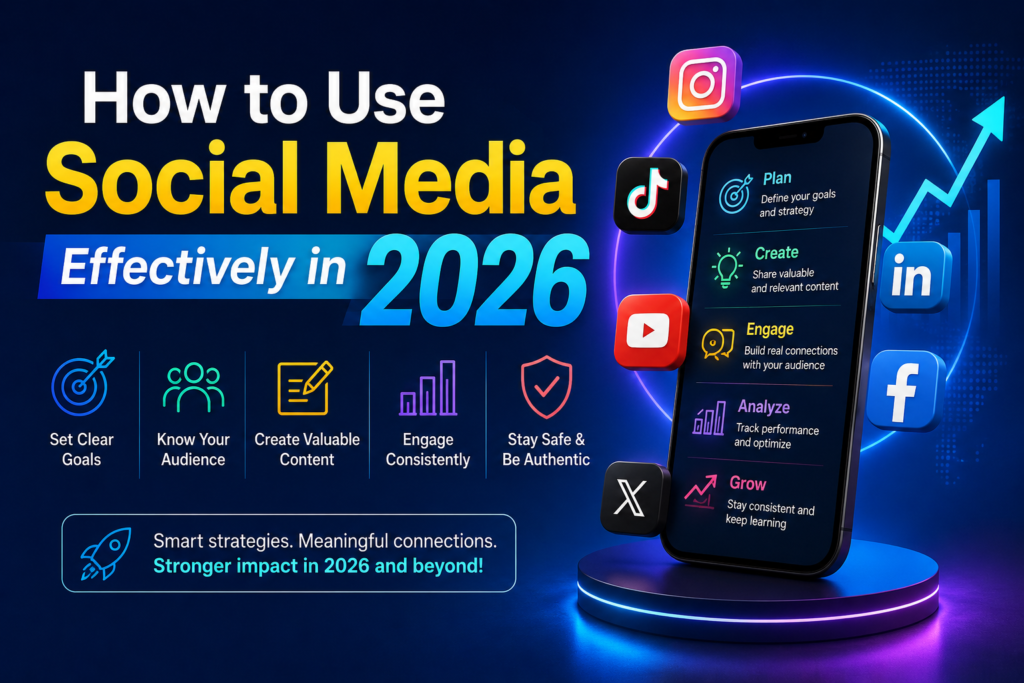
Using social media effectively means creating, sharing, and optimising content that helps your target audience and achieves your specific business goals.
Effective social media use includes:
- Creating valuable content
- Engaging with followers
- Building brand authority
- Driving website traffic
- Generating leads and sales
- Tracking performance metrics
Simple Example
Instead of posting promotional content every day, a fitness coach shares workout tips, success stories, and expert advice. This builds trust and attracts potential clients.
Social media is more important than ever because users now discover brands through the following:
| Discovery Source | Importance |
|---|
| TikTok Search | High |
| Instagram Search | High |
| YouTube Search | High |
| Google AI Overviews | Very High |
| ChatGPT Recommendations | Growing |
| Gemini & Copilot | Growing |
Benefits include:
- Increased brand awareness
- Better customer relationships
- Higher website traffic
- More leads and conversions
- Stronger online authority
Businesses that ignore social media risk losing visibility to competitors.
Google’s recent updates have significantly changed how it discovers and ranks content.
AI Overviews
Google now provides AI-generated answers directly in search results.
Businesses must create content that:
- Clearly answers questions
- Uses structured formatting
- Demonstrates expertise
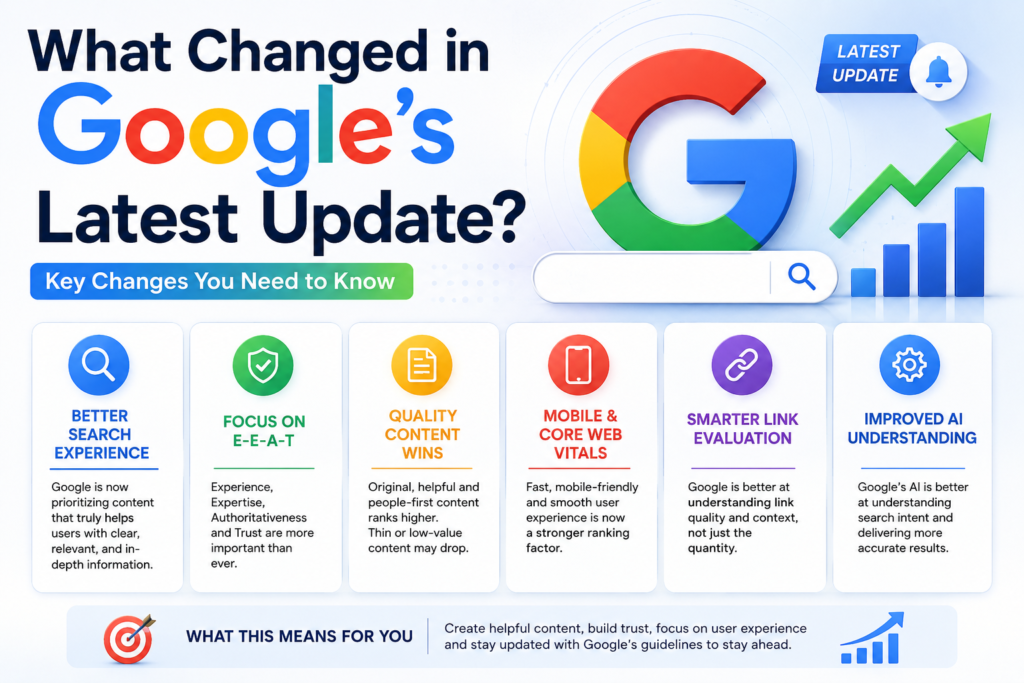
Helpful Content System
Google rewards content created for users rather than search engines.
Focus on:
- Original insights
- Real experiences
- Useful information
Core Updates
Recent core updates prioritise the following:
- Content quality
- Trust signals
- Brand authority
Spam Updates:
Google now detects:
- Low-quality AI content
- Keyword stuffing
- Manipulative SEO tactics
Google increasingly values the following:
- Experience/Expertise
- Authoritativeness
- Trustworthiness
Entity-Based Search
Google understands entities instead of only keywords.
Examples of entities:
- Social Media Marketing
- TikTok
- Content Marketing
AI Search Experience
AI systems now pull information from trusted sources.
This makes topical authority and brand credibility more important than ever.
Websites with strong social media signals and high-quality content often gain better visibility.
Positive ranking factors include the following:
- Helpful content
- Brand mentions
- User engagement
- Expert insights
- Consistent publishing
Negative ranking factors include:
- Thin content
- Duplicate content
- Clickbait posts
- Fake engagement
- Keyword stuffing
The stronger your brand presence across social media, the more trust search engines can associate with your website.
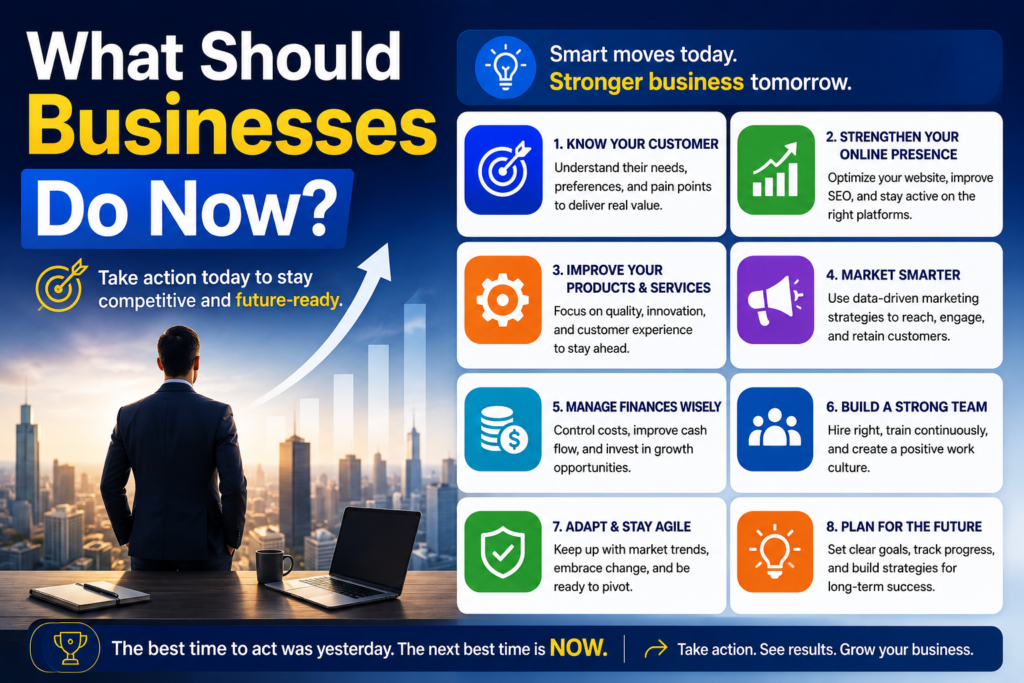
Checklist
- Create audience-focused content
- Publish consistently
- Optimise profiles with keywords
- Build topical authority
- Showcase real expertise
- Use videos and short-form content
- Answer audience questions
- Monitor analytics regularly
- Build brand mentions
- Improve EEAT signals
- Optimize content for AI Overviews
- Use entity-based content strategies
What Are the Biggest Mistakes to Avoid?
Checklist
- Buying fake followers
- Ignoring comments
- Publishing low-quality AI content
- Keyword stuffing captions
- Inconsistent posting
- Copying competitors
- Ignoring analytics
- Focusing only on sales
- Not optimizing profiles
- Neglecting mobile users
Real-World Example
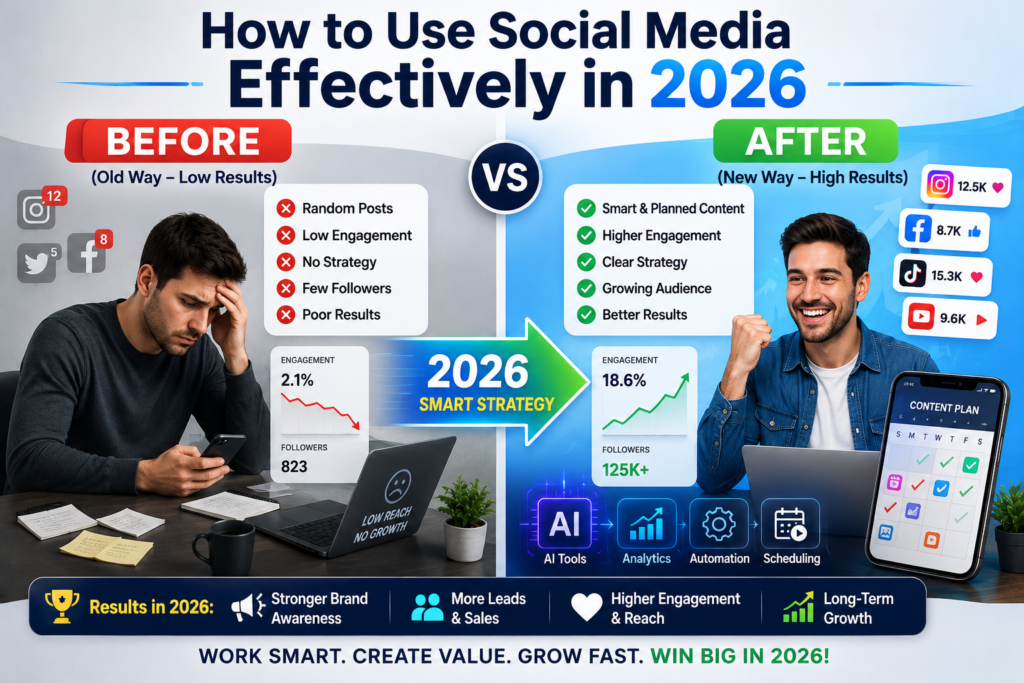
Before Optimization
A local marketing agency:
- Posted randomly
- Used only promotional content
- Had low engagement
- Generated few leads
After Optimization
The agency:
- Created educational posts
- Shared client success stories
- Published videos
- Answered common questions
The key difference was focusing on user value rather than constant promotion.
Expert Tips
1. Create Content for People First
Always solve a problem or answer a question.
2. Use Short Videos
Short-form videos continue to dominate engagement.
3. Focus on One Audience
Specific content performs better than generic content.
4. Build Topical Authority
Cover related topics consistently.
5. Use Entity SEO
Mention important entities naturally.
The Bottom Line:
Using social media effectively in 2026 requires more than posting content regularly. Success comes from understanding your audience, creating helpful content, building trust, and adapting to AI-powered search experiences.
Businesses that focus on EEAT, topical authority, entity SEO, and user-focused content will be better positioned to gain visibility across Google, AI Overviews, ChatGPT, Gemini, Copilot, and other emerging search platforms.
The goal is simple: provide value, build relationships, and become a trusted source in your industry.