
Improve rankings and traffic with simple on-page SEO techniques that create a better user experience using straightforward optimization methods.
Introduction
Every website owner wants to obtain better search engine rankings. Some people spend months creating content and still don’t get the traffic. In general the subject is not the problem. The real problem is bad optimization. This stage is where on-page SEO becomes important.
Search engines want to show pages that are helpful, easy to read, and relevant to the searches that users make. Having a well-organized page with excellent content increases the chances of ranking higher. A good optimization also helps to keep visitors on a website longer.
Years ago, people could rank pages by repeating the same keywords over and over. That plan is no longer viable. Search engines are becoming smarter. They know about content quality and page structure and user behavior now.
The modern on-page SEO techniques aim to improve the reading experience and help search engines correctly understand the content. The excellent news is these methods aren’t difficult. It is the little things that count.
What are on-page SEO techniques?
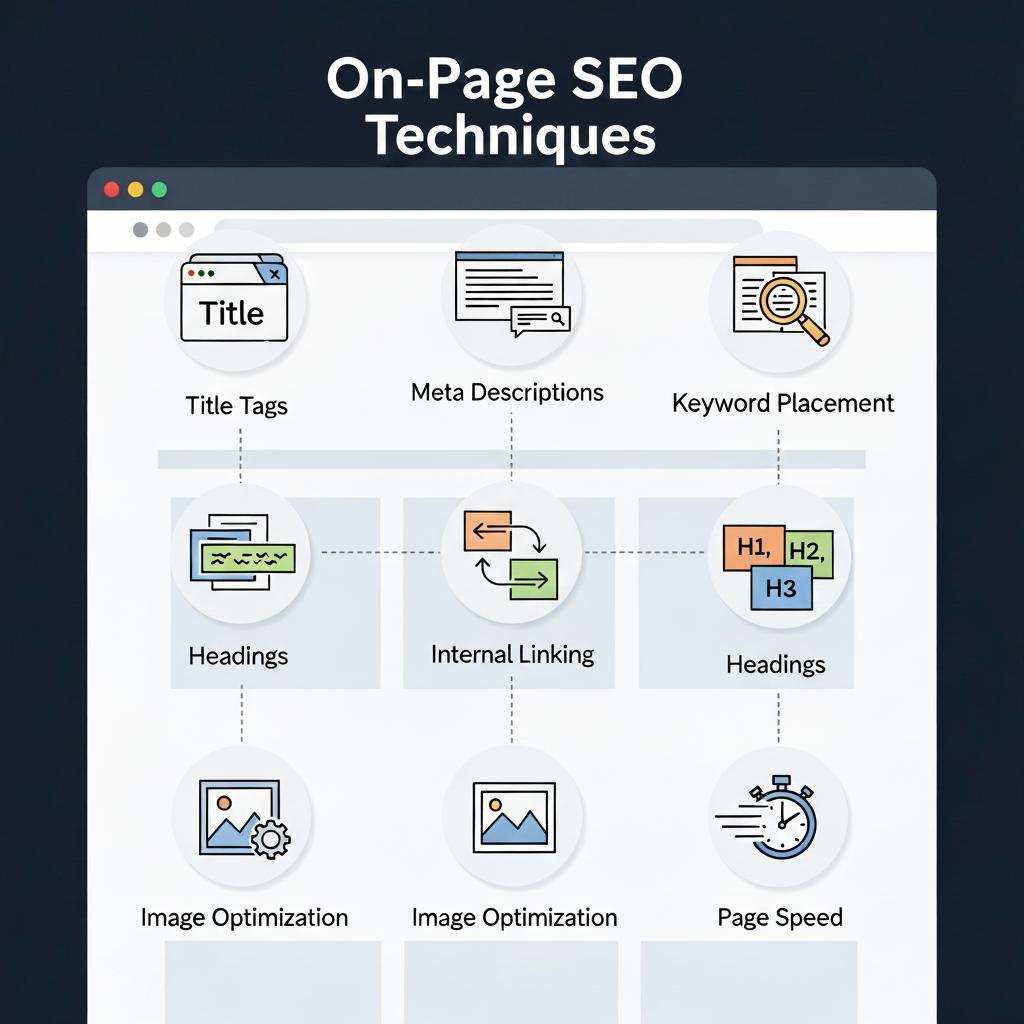
Page SEO techniques optimize a webpage directly. These methods make content more user-friendly and increase visibility in search engine results.
On-page optimization includes title tags, meta descriptions, keyword placement, headings, internal linking, image optimization, and page speed.
Improvements
Every page of a website must be optimized with proper on-page SEO techniques, because a single page can rank separately on search engines.
-page The Significance of On-Page SEO Tactics
Even great content won’t rank without being optimized. Search engines need signals to tell what a page is about. Those signals are clear when properly optimized.
Good on-page SEO techniques also improve user experience. Visitors want a fast-loading site that is easy to navigate with useful information.
Better optimization can also improve click rates. If the titles and descriptions look clear and relevant, more users will click on the page.
Another big reason is competition. Thousands of websites are targeting similar topics. Good optimization helps pages rank organically.
Writing Good Content
Content is still one of the most powerful ranking factors. Search engines want to see pages that are valuable.
Good content provides answers clearly and naturally. Nobody wants to read robotic text filled with repeated keywords.
The best way to write is in plain language, because it is easy to read. Short sentences also hold a reader’s interest better.
People, not algorithms, easily understand the topic. Now search engines reward useful content over keyword-stuffed pages.
Always keep user intent in mind when creating content. A seeker of information wants quick answers and advice that is actionable.
The importance of proper keyword positioning
Keywords help search engines know what a page is about.” However, keywords need to be naturally embedded within the content.
Include the focus keyword in important places like the title, introduction, headings, and conclusion.
-Related keywords should be used naturally throughout the article. This helps search engines understand the content without making it feel forced.
When discussing page SEO techniques, you can naturally include terms like “website optimization,” “SEO content,” “page structure,” “search rankings,” and “organic traffic.”
The more you balance your keywords, the better your readability and the better your optimization.
How to Optimize Title Tag
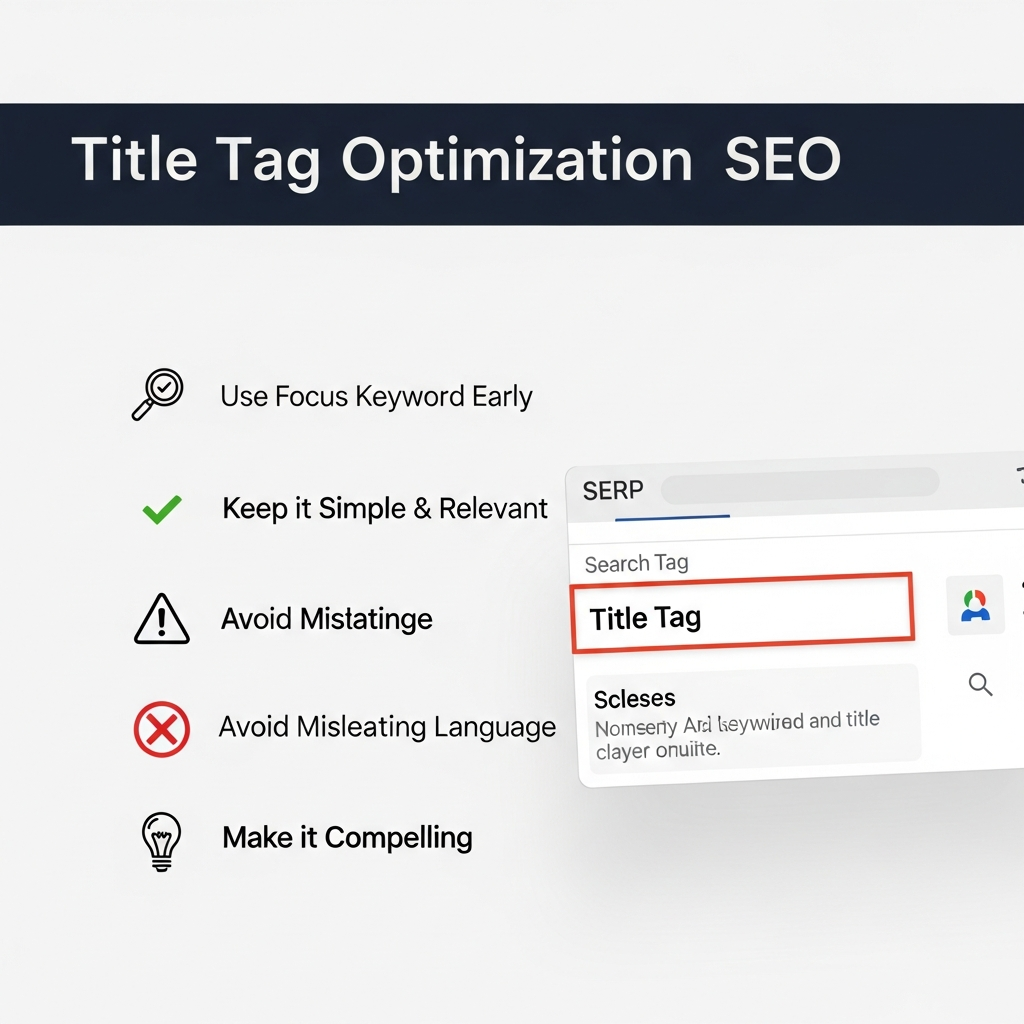
The title tag is one of the most important parts of on-page SEO techniques.
It’s usually the first thing people see in search results. A compelling title makes people more likely to click on it.
A good title should be simple, direct, and relevant to the topic. The focus keyword should naturally appear within the first few words.
Overblown or misrepresentative titles tend to erode trust. Users want honest and clear language.
How to Write Effective Meta Descriptions
Meta descriptions do not directly increase rankings but can increase click-through rates.
A good meta description explains what users can learn from the page. It should sound natural and be straightforward to read.
A brief description is often better because it is simple to understand quickly.
Including the focus keyword in a natural way in the meta description can also be beneficial in terms of visibility.
Use Correct Headings
Headings are straightforward for organizing content. They improve readability and make articles more scannable.
Search engines also use headings to understand the structure of the page.
One main heading and a few supporting headings should be on a page. Each heading should be self-explanatory.
Readers typically scan headings before reading an article in its entirety. Clear headings keep attention longer.
SEO URL Structure
A clean URL builds user trust and helps search engines understand the topics of the page.
In general, short URLs are preferred because they’re easier to remember and share.
The focus keyword can be naturally found within the URL for better relevancy.
URLs that have random numbers or words that aren’t needed cause confusion and make things less clear.
Benefits of Internal Linking
Internal linking is one of the important aspects of on-page SEO techniques.
Links between pages help visitors to find additional content on a website. They also assist search engines in crawling pages correctly.
For example, an article about on-page SEO techniques can link to keyword research or technical SEO-related topics.
Good internal links help to engage users and keep them on the site longer.
Links should always feel relevant and organic.
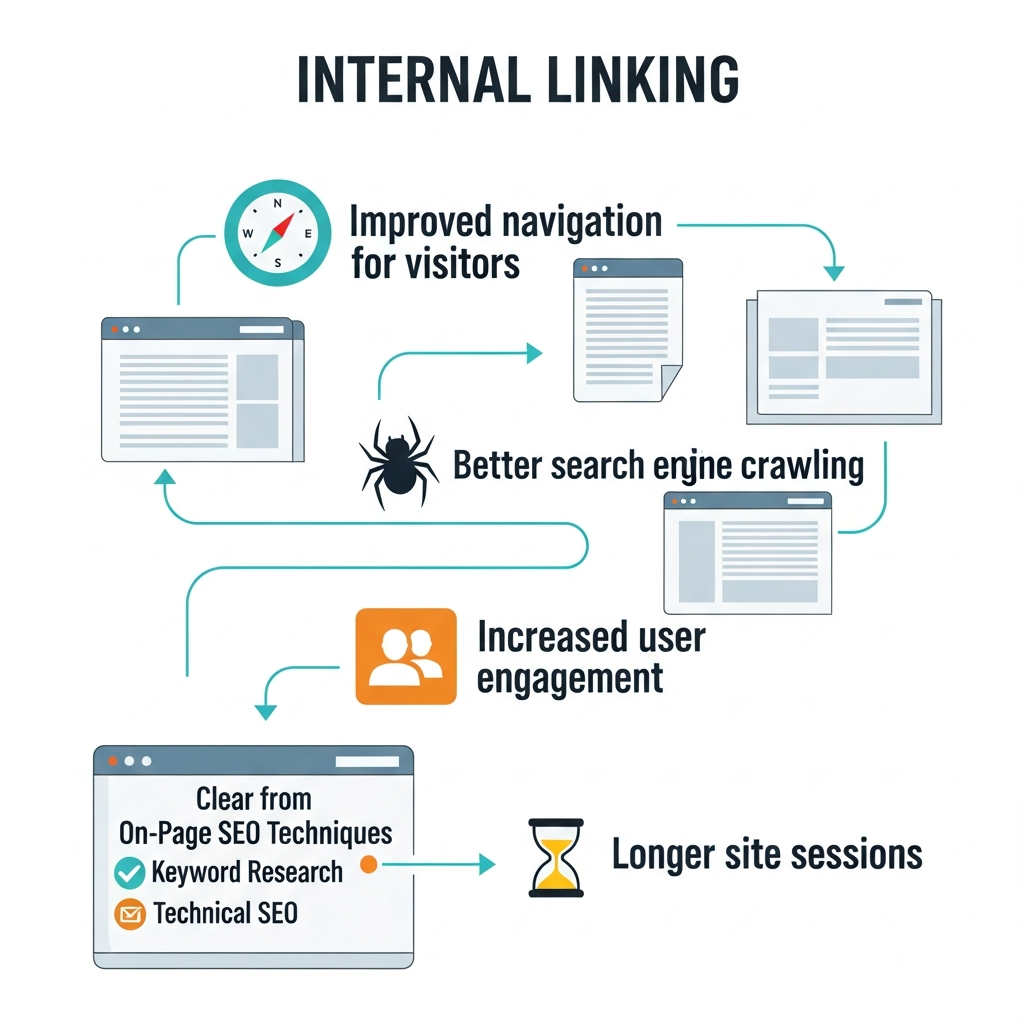
Internal linking is one of the important aspects of on-page SEO techniques.
Links between pages help visitors to find additional content on a website. They also assist search engines in crawling pages correctly.
For example, an article about on-page SEO techniques can link to keyword research or technical SEO-related topics.
Good internal links help to engage users and keep them on the site longer.
Links should always feel relevant and organic.
Mobile Optimization Matters
Most people are now using their mobile phones to access websites. A website that appears broken on small screens provides a poor user experience.
Responsive design allows pages to adapt fluidly on different devices.
The text is simple to read, and no zoom is needed. Buttons must be easy to tap.
User experience matters a lot today, and search engines prioritize mobile-friendly websites.
Website Speed Improvement
Slow websites annoy visitors. Most users abandon pages that are slow to load.
Page speed is also a ranking factor.
Large image files, unnecessary scripts, and poor hosting can slow websites down.
Image compression and removing unnecessary things can help a lot with loading speed.
Fast websites feel more professional and credible.
Image Optimization Methods
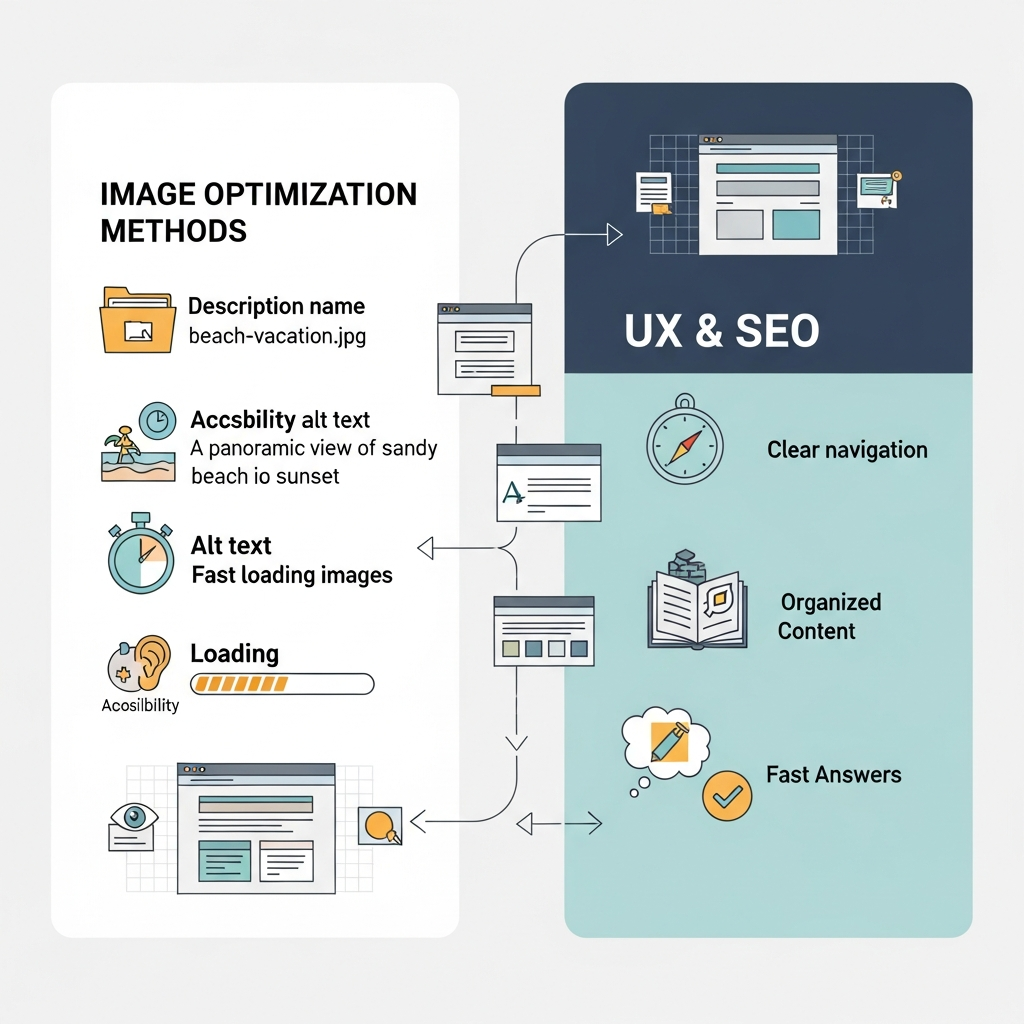
Images add visual interest and help break up large blocks of text.
Still, images should be properly optimized so as not to slow down the page.
File names should clearly describe the image, not be random text.
Furthermore, alt text is important because it helps search engines understand images better.
Good alt text makes images accessible and naturally helps SEO
UX & SEO
User experience is a huge ranking factor nowadays.
A page that feels easy to use generally performs better in search results.
The navigation is clear and the content is organized with readable fonts, which makes browsing a better experience.
Visitors should get answers fast, without confusion.
If users enjoy a page, they generally spend more time reading it. Search engines pick up these positive signals.
Readability is important
If the writing is complex, the reader will lose interest rapidly.
Simple language boosts engagement and encourages visitors to stay longer on the page.
Short paragraphs are easier to read, particularly on mobile devices.
Many websites are too professional and use difficult words. Most readers prefer clear explanations, however.
High readability is beneficial for SEO and user satisfaction.
Avoid Keyword Stuffing
Keyword stuffing is one of the biggest SEO mistakes.
Using the same phrase repeatedly makes content look unnatural.
Search engines are getting better at contextual understanding. Natural language and related keywords work better.
Always focus on readability and usefulness.
Content that sounds like a human usually performs better over time.
What’s New? Significance
Search engines want information that is relevant and fresh.
If old articles contain outdated details, they can lose rankings.
Regularly updating content keeps you visible.
Even small tweaks such as new examples or updated statistics can improve performance.
Regular content reviews also help to identify broken links and sections needing an update.
Search Intent Optimization
Understanding search intent is one of the most powerful on-page SEO techniques.
Some users seek information and others seek products or services.
Content should be what users expect to find.
For example, a user searching for on-page SEO techniques is probably looking for practical methods and straightforward explanations.
Pages that satisfy user intent tend to do better in search results.
Targeting Featured Snippets
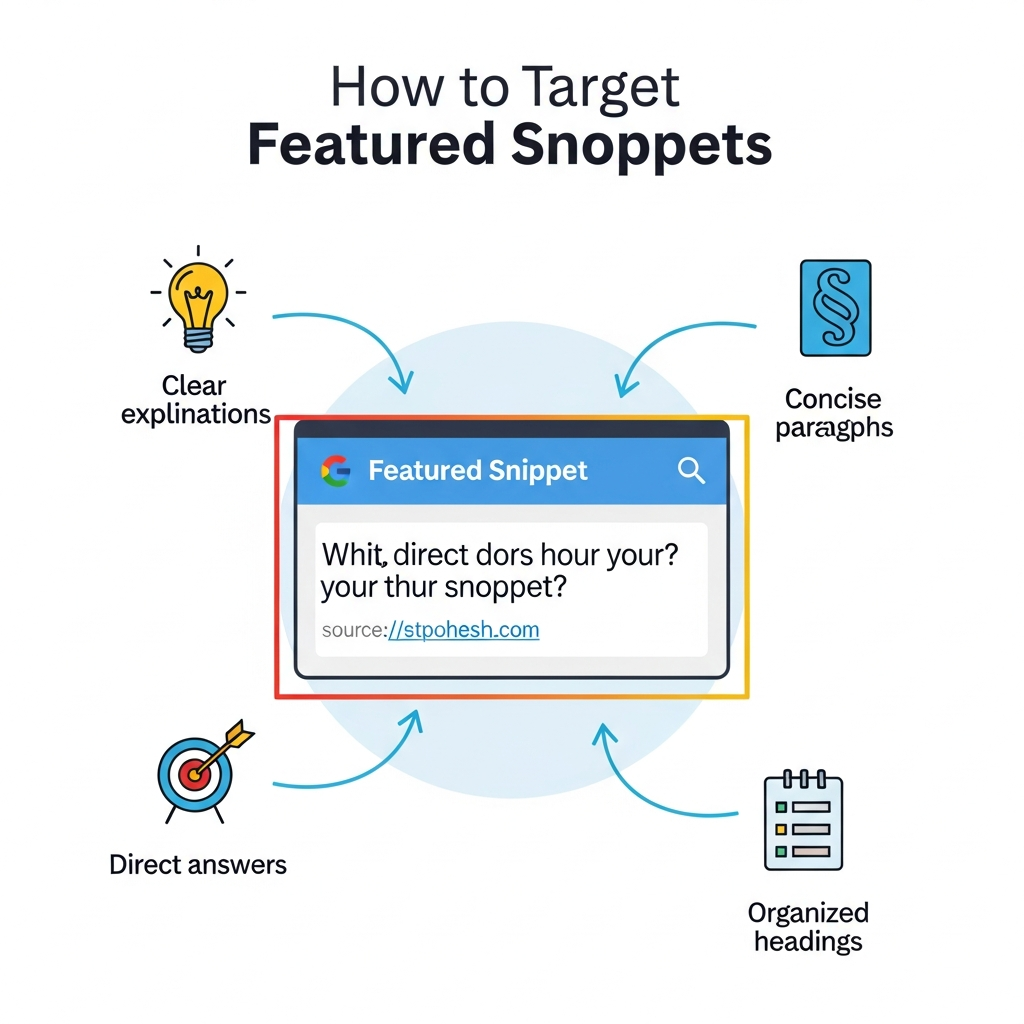
Featured snippets appear above standard search results and provide quick answers.
Clear explanations improve the chances of getting these positions.
Short paragraphs that answer common questions directly work well.
Organized headings help search engines easily find important sections.
Importance of Engagement
User behavior is important to search engines.
If visitors leave after opening a page quickly, it could mean poor content quality.
Good introductions and helpful information boost engagement.
Real examples also help readers relate to the content in a natural way.
Pages that keep users engaged tend to perform better over time.
Structured Content Benefits SEO
Structured content is easier to read.
Large blocks of text are intimidating and reduce readability.
Flow is aided by headings, short paragraphs, and smooth transitions.
Each section should flow into the next.
Structured content helps search engines better understand the topics of a page.
The importance of original content
Original content beats copied content.
Search engines are looking for unique information that has real value.
Duplicate content causes confusion and can impact rankings.
Original descriptions should be used wherever possible, even on product pages.
Authentic content builds trust with readers.
Social Shares and SEO
Social sharing does not directly improve rankings but can increase visibility and traffic.
Shareable content is helpful and easy to understand.
Practical and easy-to-read information will naturally encourage engagement.
Increased traffic also offers opportunities for backlinks and improved brand awareness.
Common OnPage SEO Mistakes
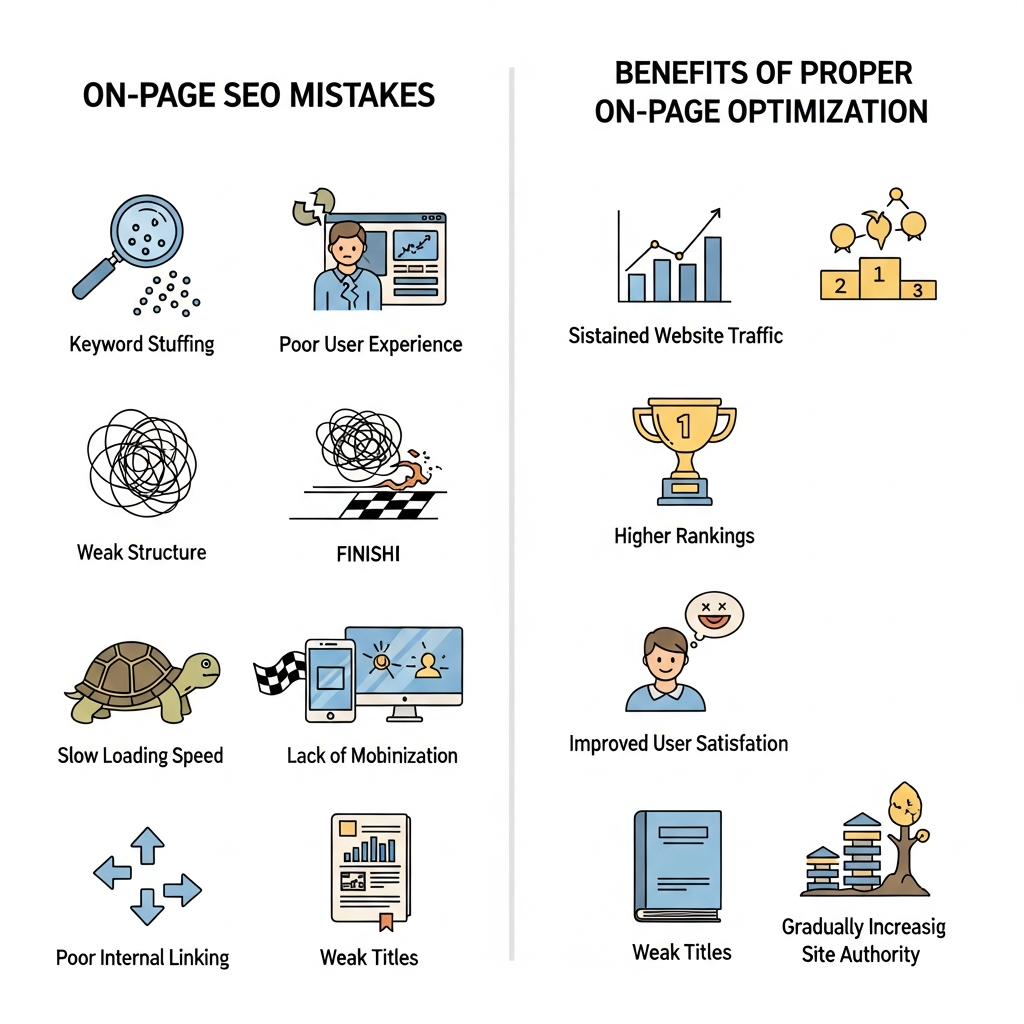
Some sites just focus on keywords and forget the user experience.
Some produce long-winded pieces that are not well-structured.
Another common problem is the slow loading speed.
If you don’t optimize for mobile, you’re also killing your rankings badly.
Poor internal linking and weak titles can also decrease your visibility.
Avoiding these mistakes helps with ranking and user satisfaction.
Benefits of On-Page SEO Techniques in Long Term
SEO that works takes time. Generally takes time.
But strong optimization pays off in the long run.
A well-optimized page can bring you traffic for months or even years. Gradually strengthen authority through consistent improvements to the website build.
Small changes can lead to big improvements over time.
Techniques On Page SEO Future
Search engines are constantly evolving each year.
Content quality and user experience are becoming more important than technical gimmicks.
Pages that really help users are more likely to perform well in the future.”
Natural writing, fast loading speed, and clear organization will remain essential components of SEO.
It should always be about creating useful content for real people.
NOTE END
Page SEO techniques are crucial for improving website rankings, increasing traffic, and creating a better user experience.
Well-optimized content helps search engines understand it better and makes pages more enjoyable for readers.
Small things like better titles, natural keyword placement, faster loading speed, and clear structure can have a significant impact over time.
The best approach is to focus on writing helpful and readable content and not to take shortcuts.
Search engines reward websites that offer real value. Pages that feel natural, useful, and easy to understand usually perform best in the long run.