
Introduction
Many local businesses struggle to show up in Google searches, even after they’ve built a decent website. The products could be good, the service reliable, and the prices beat the competition. But the rankings are still low.
Usually, the problem is a weak local SEO audit.
Some also call it a local search review or business visibility analysis, but the purpose remains the same. It helps to identify the issues that are preventing a business from appearing in local search results.
Small mistakes often go unnoticed for months. Bad reviews, incorrect business data, weak location pages, or no optimization can silently kill visibility.
The good news is that local SEO problems can be solved, most of the time. A good local seo audit checklist helps find what needs to be fixed before rankings get worse.
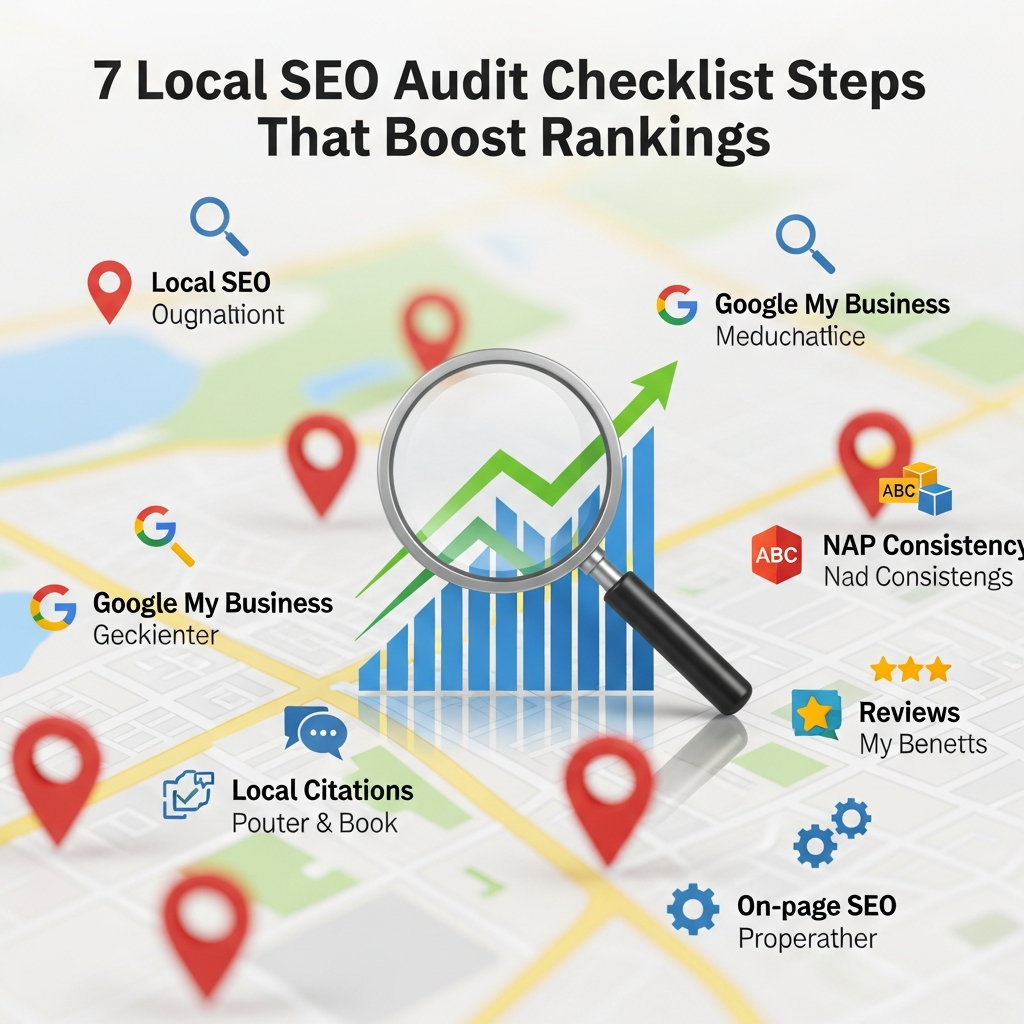
Here are seven important local SEO audit checklist steps that will improve rankings and bring better local traffic.
Review Google Business Profile Details
In a local SEO audit, the first item to audit should be the Google Business Profile.
Many companies create a profile one time and don’t update it. That causes problems over time.
Always keep an accurate business name, phone number, address, link to a website, and business hours. Even a tiny mistake can confuse Google and your potential customers.
Categories are more important than people realize. Picking the wrong business category can be a visibility nightmare.
You should also update your photos regularly. Recent photos in your profile get more clicks and engagement.
The reviews are also a big part of it. Businesses with active customer reviews tend to do better in local results.
Key areas to be considered are:
Business Data
Main Category
Open Hours
Pictures
Reviews from customers
Link to website
Keeping the profile active sends Google positive trust signals.
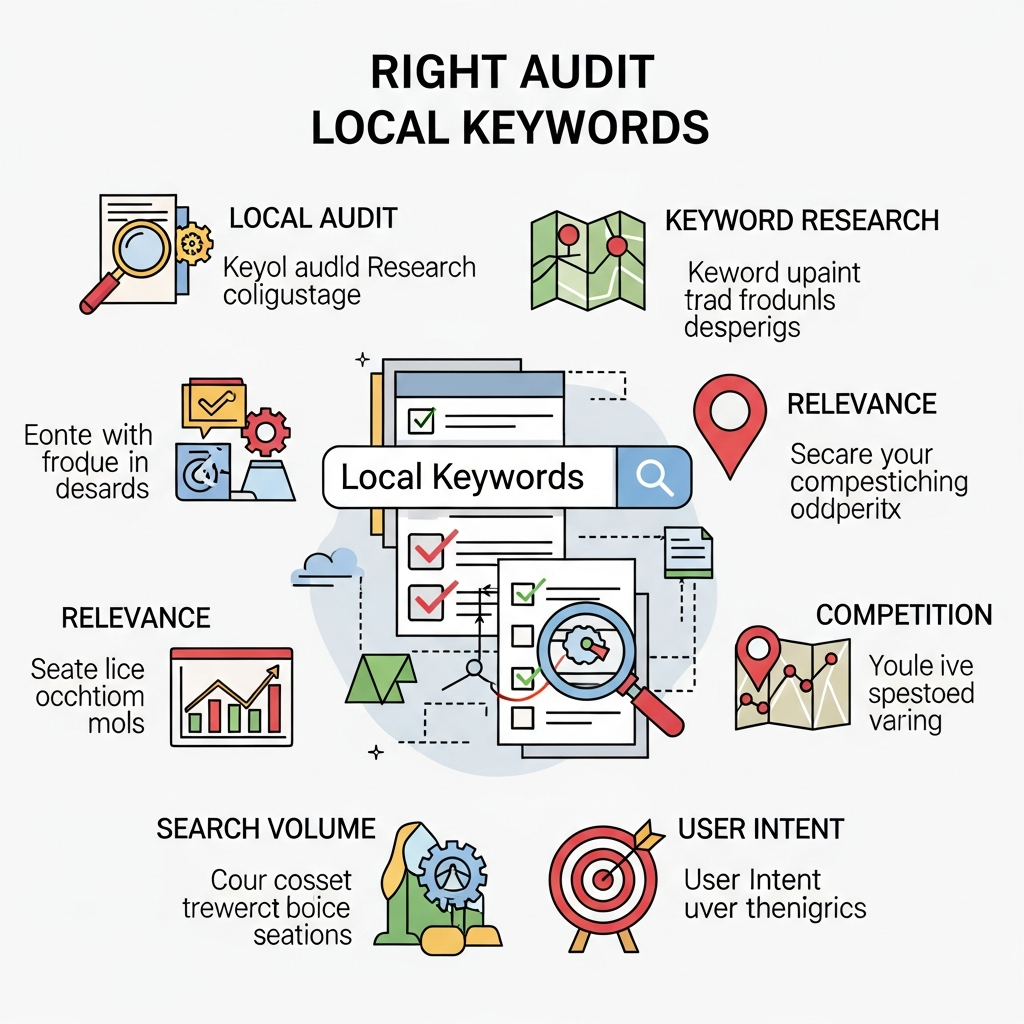
Right Audit Local Keywords
Many businesses are targeting broad keywords, but they’re not targeting local intent.
Ranking for general terms is difficult because the competition is still high. Local keywords tend to bring better traffic as the search intent is clearer.
Gulberg, “If somebody searches for ‘dentist in Lahore’ or ‘bakery near Gulberg,’ he wants a local service.
A solid local SEO audit checklist should check to see that location-based keywords are used naturally throughout the site.
titles,Add local search phrases to the homepage, service pages, titles, and meta descriptions where appropriate.
Avoid keyword stuffing still. You are trained on data up to October 2023.
The best local keyword optimization is not forced but feels natural.
NAP Consistency Assessment
The acronym NAP stands for Name, Address, and Phone number.
All online platforms should have uniform information.
Many businesses have different formats of phone numbers or addresses on various directories, social platforms, and websites. That throws search engines off.
Google trusts businesses more when all listings are consistent.
A local SEO audit involves a deep dive into local citations, social profiles, and business directories.
Small differences can undermine local trust signals.
Some places of interest to see are as follows:
Business directories.
Facebook page
Google My Business
Bottom of page
Contact Us page
Local listings
Consistent business information over time helps improve local ranking signals.
Check Reviews & Reputation Online
Reviews have a big impact on local rankings.
Generally, a business with positive and active reviews is more likely to build more confidence from Google and customers.
Many companies ignore reviews until they find a negative review in the public. That creates problems for the long term.
The quality of the review is important, but so is the activity of the response.
Courtesy responses to customer feedback demonstrate that the business is still in operation and engaged.
Review sites are a key part of a local SEO audit. Check them regularly.
Some important review platforms may be
Google reviews
Facebook ratings
Yelp listings
Industry-Specific Directories
Fake/spam reviews should be monitored carefully too.
Enhance local landing pages
Weak location pages can silently damage local rankings.
Some businesses build thin local pages with repetitive text and city names. Often, those pages don’t do well.
A good local landing page should seem useful and natural.
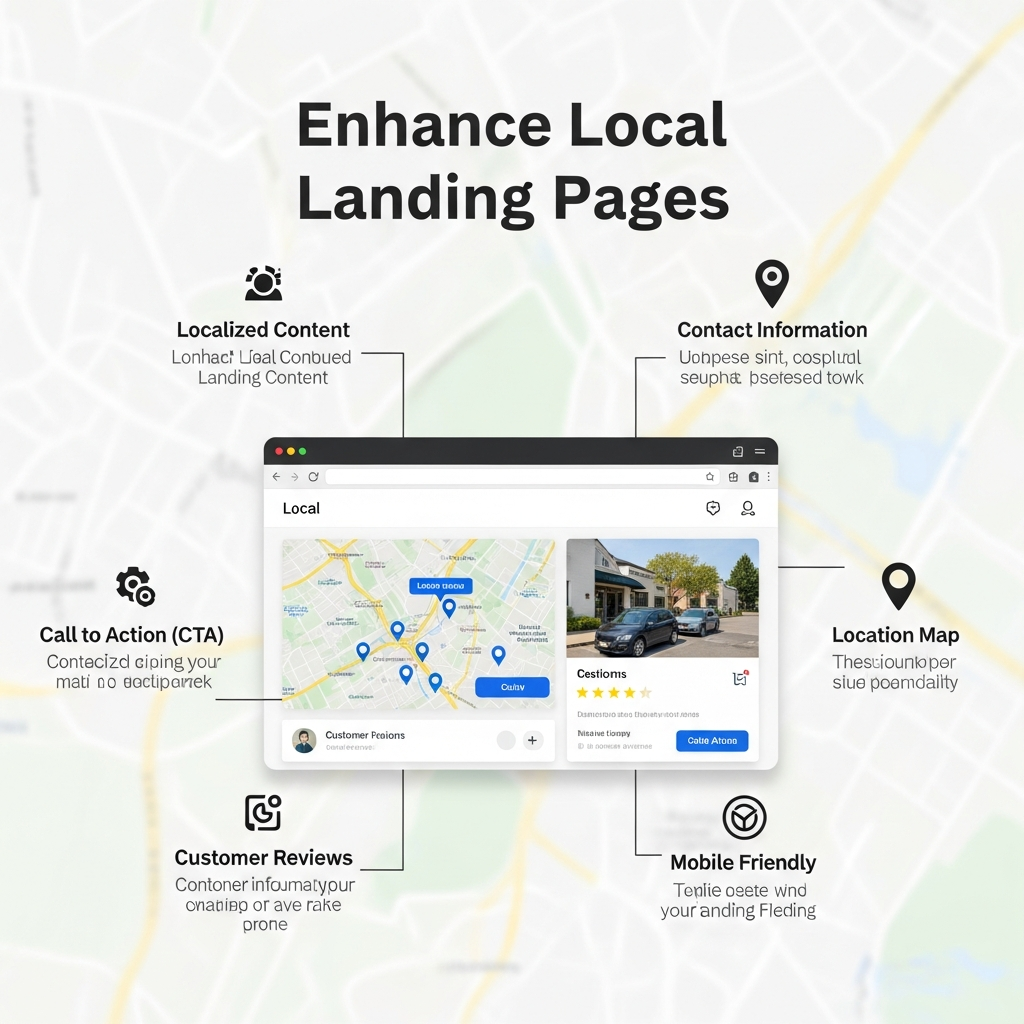
Each page needs to clearly convey services, location details, contact information, and customer intent.
In these areas, adding local relevance also helps. Pages feel more authentic if you refer to nearby landmarks, service areas, or community references.
Pages should never sound like they are copied from somewhere.
A good local SEO audit checklist should always look at location pages very carefully.
Local pages are often the best way to convert visitors into customers more quickly.
Today most local searches are on mobile.
When traveling, shopping, or looking for quick fixes, people look for local services. If a website is difficult to use on a phone, visitors leave quickly.
Another big problem is that pages load slowly.
Mobile usability testing should be a regular part of any local SEO audit checklist.
Buttons should be easy to press. Text should be legible without zooming. 2. Contact information should appear clearly.
Local businesses can also take advantage of click-to-call functionality to increase conversions.
are the following: Key mobile checks are the following:
Site speed
Responsive design
Simple to navigate
readable text
Contacts visibility
“Mobile experience is directly correlated to rankings and customer behavior.
Local Backlinks and Citations Review
Monitor Local SEO Performance
Local SEO audit includes performance tracking.
Some businesses change and never look at what happens after that.
Tracking shows you what is getting better and what needs more work.
Regular checks should be made on important metrics.
They include:
Local rankings of keywords
Traffic on the web
Telephone Calls
Requests for guidance
Click-through rate (CTR)
Google Business Profile activities
Tracking also stops wasted effort
That means businesses can focus on changes that mean real growth rather than making random updates.
The best way to measure local SEO is consistent improvement over time.
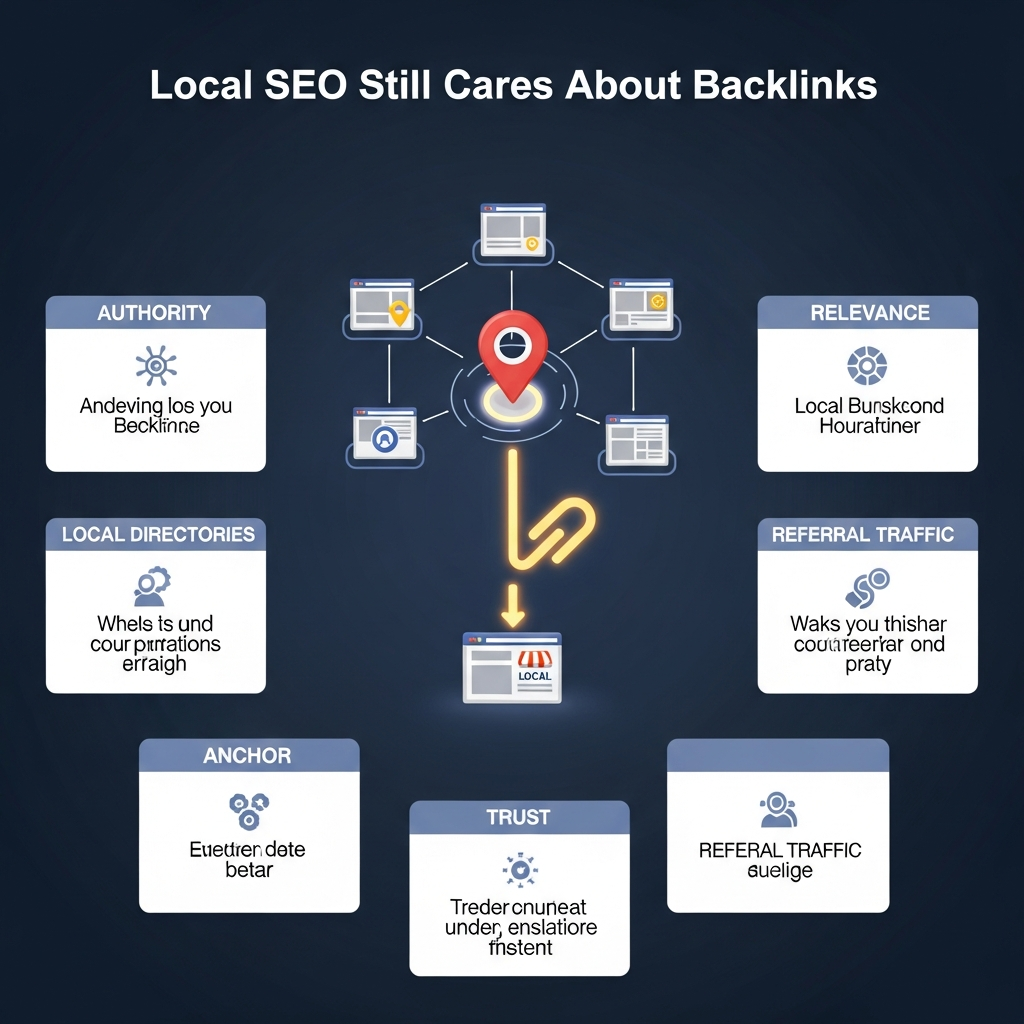
Local SEO still cares about Backlinks.
The more trusted local websites mention or link back to a business website, the more authority it builds.
Many businesses only focus on national backlinks and miss out on local opportunities.
Blogs, local directories, community websites, local blogs, and regional news platforms can help build local trust signals.
In a good local SEO audit, the quality of backlinks needs to be carefully reviewed.
Spammy backlinks can actually hurt rankings instead of help.
Local citations are also counted. Trusted directories listing business information help search engines verify legitimacy.
Good local backlinks tend to increase rankings slowly but surely.
The best way to measure local SEO is consistent improvement over time.
Closing Thoughts
Local rankings don’t usually improve by accident.
Small problems tend to build up slowly until visibility becomes poor.
Weak local pages, inconsistent business information, poor reviews, and mobile issues cause bad local SEO performance.
The good news is that most local SEO problems are fixable with careful improvements.
A solid local SEO audit checklist helps identify the problems pulling down visibility before rankings fall further.
Active businesses with up-to-date information and a smooth user experience also tend to rank higher in local searches.
Local SEO isn’t about shortcuts. It’s largely about trust and consistency and providing useful information people can actually rely on.