
Introduction
Many sites end up losing their ranking without knowing the real reason behind it. Content can be excellent, keywords can be added properly, and pages can even get indexed quickly. But traffic starts to taper off slowly.
Usually, the problem is a weak website SEO audit.
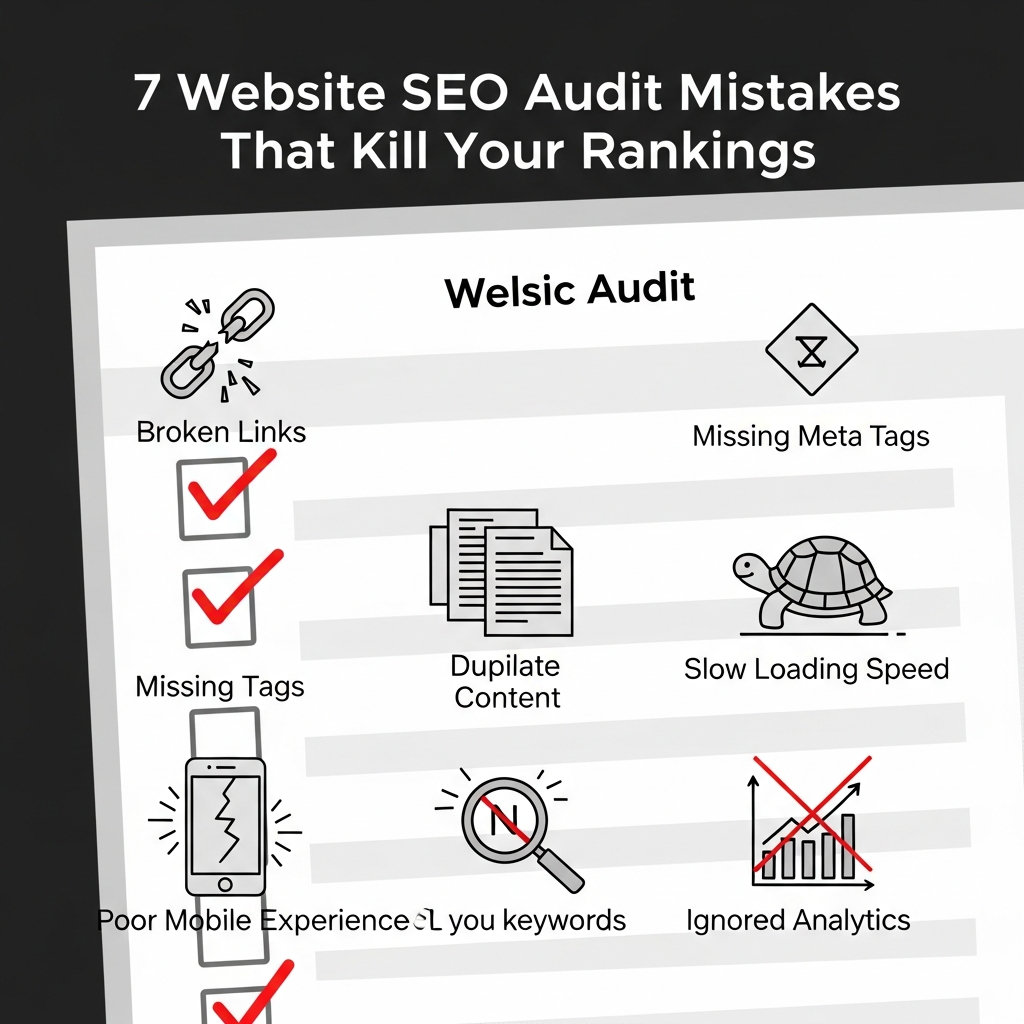
An SEO audit (sometimes called a site analysis or optimization review) helps pinpoint problems impacting search visibility. Little errors on a website can slowly erode rankings over time.
We are experiencing technical difficulties with some pages. Others fail because the content doesn’t align with user intent. There are also problems with weak user experience and poor internal linking.
The good thing is that you can fix these mistakes if you correctly identify them.
Here are some common mistakes in website SEO audits that have a bigger impact on rankings than most people think.
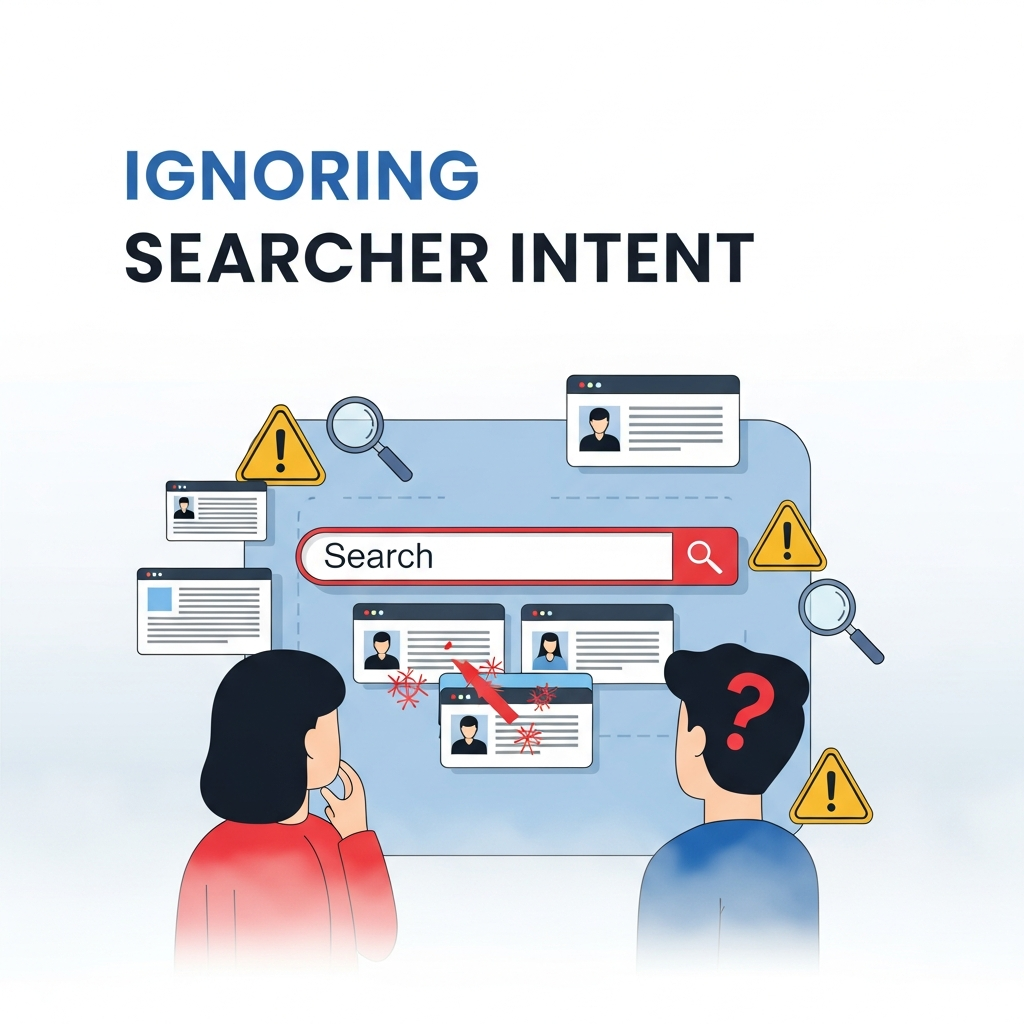
Ignoring Searcher Intent
Many sites chase keywords without knowing what the users are looking for.
A keyword may have excellent search volume, but if the page does not match user intent, rankings remain poor.
Say you’re looking for a checklist for an SEO audit of a website. What you’re probably after is some hands-on advice. If the page is only theoretical, visitors leave fast.
Google will spot that behavior. That’s when rankings tend to go down.
You can avoid this mistake by checking top-ranking pages before optimization.
Pages that match search intent are likely to keep visitors on the site longer.
Daily technical SEO issues are silently damaging rankings.
Slow load times, crawl errors, broken links, and mobile issues all create poor experiences for users and search engines alike.
Page speed is important now. Most users will abandon a website if it takes too long to load.
There’s also the mobile optimization. A page can be beautiful on desktops and difficult to use on phones.
Always check for technical issues thoroughly during a proper website SEO audit.
Often, resolving technical problems improves rankings faster than publishing added content.
Not enough internal linking
Internal linking is a huge part of SEO.
Some websites update their content regularly but do not link pages well.
Important pages lie buried deep inside the website and receive little authority.
Good internal links tell search engines how important a page is. They also naturally lead users from one page to another.
Another problem is weak anchor text. Generic phrases like “click here” provide little context.
Descriptive anchor text works considerably better.
A strong internal linking strategy improves rankings and user experience
Ignore Thin Content
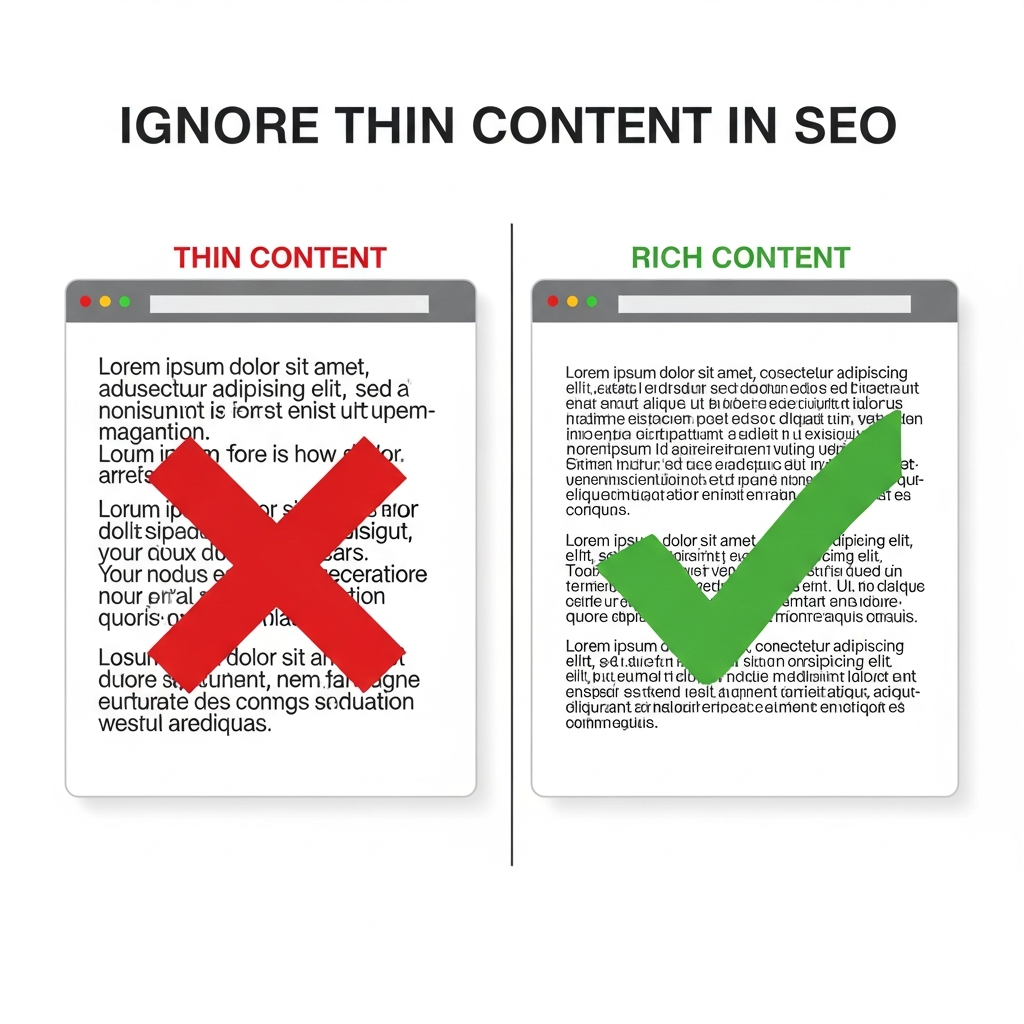
Thin content is still a huge problem for rankings.
Some of the pages contain very little useful information. Others simply repeat the same points over and over.
This problem usually occurs on service pages, category pages, and old blog posts.
Random words don’t help. Content must deliver real value.
Useful content answers questions clearly and keeps readers naturally interested.
Old examples and out-of-date information can also erode trust.
An honest review of every page is needed for a website’s SEO audit.
If it’s weak, it probably needs to be worked on.
Over-optimizing keywords
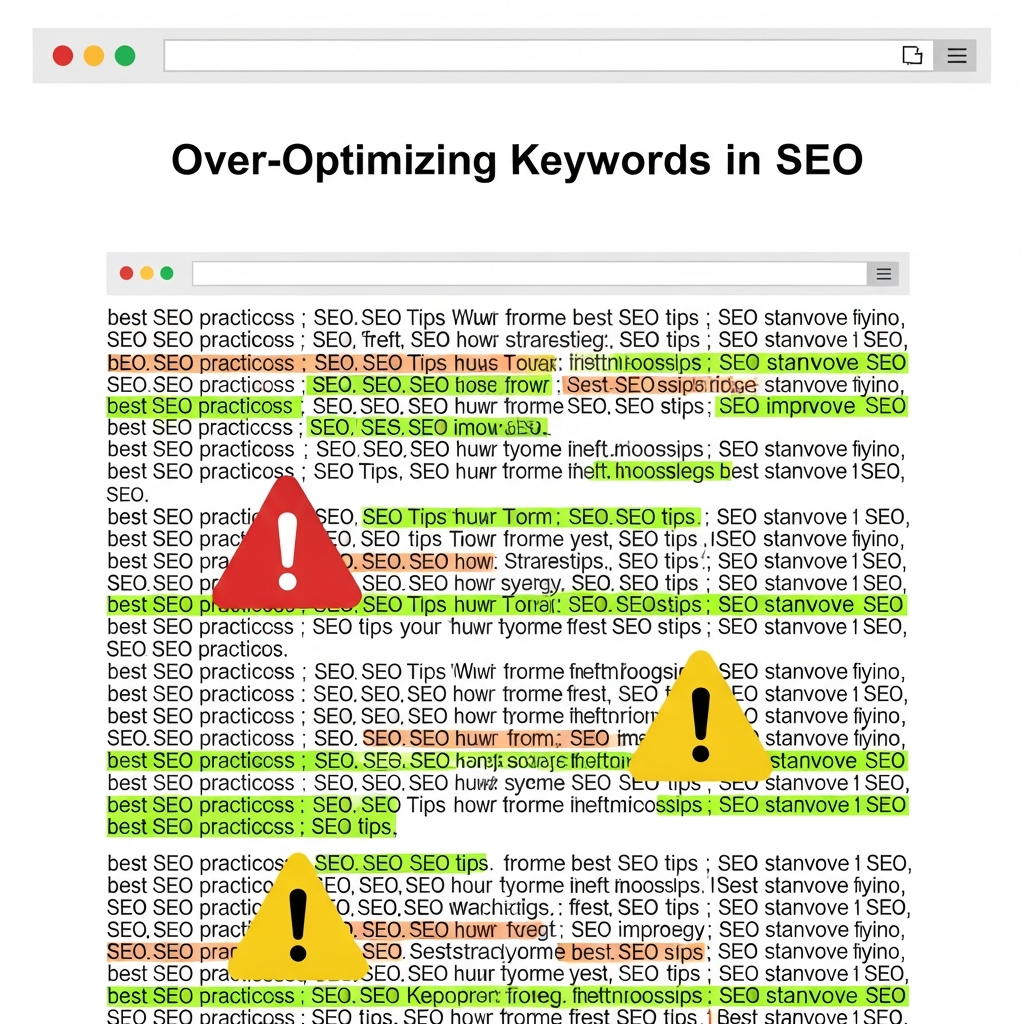
Keyword stuffing is still a frequent mistake.
Some sites stuff the same keyword into every paragraph and heading.
The content starts to sound really unnatural, really fast.
Google is now far better at understanding context. There’s no need to constantly repeat exact phrases.
Natural writing style works better because it feels easier to read.
Rather than repeating the term “website SEO audit” throughout, you can use phrases such as “SEO review” or “site analysis” naturally.
Content should always read as human-first.
Ignoring User Experience Signals
A bad user experience can silently damage rankings over time.
If your pages look cluttered or difficult to navigate, people leave fast.
Large popups, illegible text, and confusing layouts irritate immediately.
Navigation, too, is important. “Make important pages easy to find for users.
Another problem is the weak placement of calls to action. Visitors can consume the content but still walk away without taking action.
Trust is key, too. Lack of contact information and poor design will quickly kill credibility.
Google is looking at user behavior signals.
A better user experience usually results in a stronger ranking.
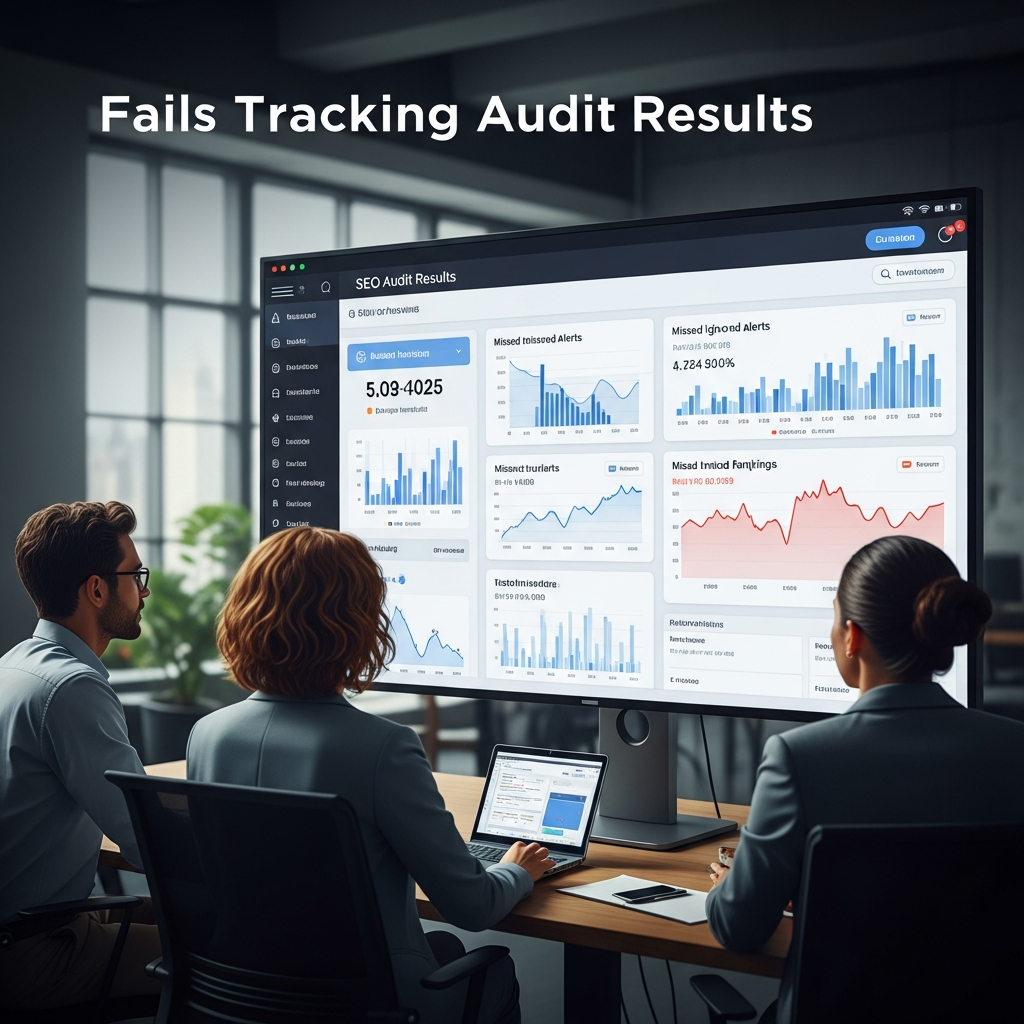
Fails Tracking Audit Results
Many website owners do an SEO audit once and never look at the results.
SEO is constantly changing. Competitors are regularly updating their websites, and search algorithms are constantly changing.
Without tracking performance, it’s difficult to know what really worked.
Some pages improve, while others continue to lose traffic.
Always track important metrics like organic traffic, keyword rankings, bounce rate, and conversions.
Tracking prevents wasted effort and tells you where you can improve.
A good website SEO audit should always have follow-up analysis.
Conclusion
A website seldom loses rankings over one big problem.
Small mistakes that we neglect too long cause the greatest damage.
Weak internal linking, technical SEO issues, thin content, poor user experience, and keyword stuffing can all impact visibility.
The excellent news is that you can usually fix these problems without rebuilding the whole site.
A smart website SEO audit looks at real performance, not shortcuts.
Over time, fast-loading pages that answer questions clearly and deliver a smooth experience tend to rank better in search results.